
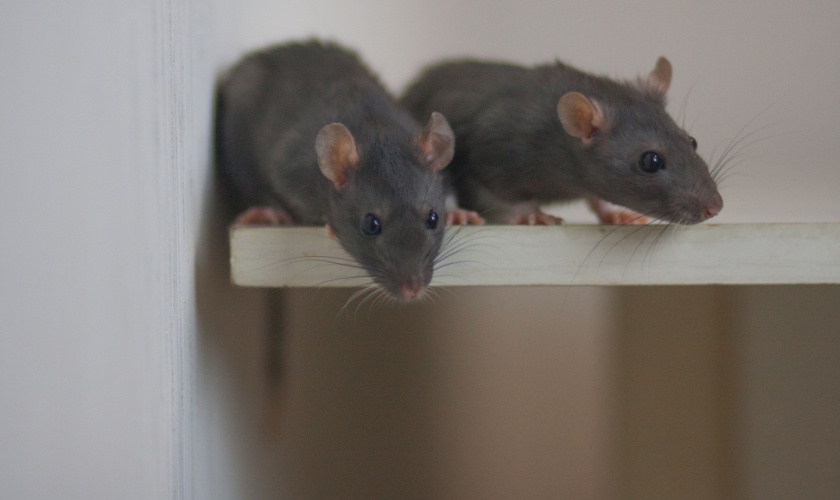
As summer fades and the first cool nights arrive in Central Kentucky, rodents begin searching for somewhere warm to spend the coming months. September marks the start of the season when mice and rats move from fields, woodpiles, and yards into Lexington homes, and the pattern repeats every year. Understanding why rodents come indoors in early fall helps homeowners recognize the warning signs and know when professional rodent control is needed before a few intruders become an infestation.
The September Trigger
Rodents are driven indoors by a combination of temperature and resources. As nights cool and outdoor food becomes harder to find, mice and rats look for a reliable source of warmth, food, and shelter, and homes offer all three. September is often the turning point, when the weather shifts enough to prompt rodents to seek out the protected spaces that will carry them through winter. A home that felt rodent-free all summer can begin to see activity almost as soon as the temperature drops. The change can happen quickly, since rodents that have been living nearby all along simply need a reason to come inside.
Which Rodents Invade Lexington Homes
A few species account for most rodent problems in Central Kentucky. House mice are by far the most common, small enough to slip through the tiniest openings and quick to establish themselves in walls, attics, and cabinets. Norway rats are larger and tend to nest in basements, crawl spaces, and burrows near the foundation. Roof rats, while less common in the area, are strong climbers that can enter through the roofline and upper levels of a home. Each of these rodents seeks shelter as the weather cools, and each brings its own set of concerns.
How Rodents Get Inside
Rodents are remarkably good at finding their way in. A house mouse can squeeze through a gap the size of a dime, and a rat needs an opening only about the width of a quarter. Common entry points include gaps around utility lines and pipes, spaces beneath garage doors, cracks in the foundation, vents, and areas where the roof meets the walls. Once a rodent finds a route inside, others often follow, using the same openings and the scent trails left behind.
Signs of a Rodent Problem
Rodents are secretive, so homeowners often notice the signs before they see the animals themselves. Common indicators include:
- Small dark droppings along baseboards, in cabinets, or near food sources.
- Gnaw marks on food packaging, wood, and wiring.
- Scratching or scurrying sounds in walls, ceilings, or attics, especially at night.
- Nests made of shredded paper, fabric, or insulation.
- A musky odor in enclosed spaces where rodents are active.
Noticing any of these early in the fall is a strong reason to act before the population grows.
Why Rodents Should Not Be Ignored
Rodents are more than an unpleasant surprise. They reproduce quickly, so a small problem in September can become a serious infestation by winter. They contaminate food and surfaces with droppings and urine, and they are associated with the spread of several diseases. Rodents also gnaw constantly, and chewed electrical wiring is a recognized fire hazard. The combination of health risks and property damage makes early action important. Addressing a rodent problem in September is far easier than dealing with an established population once winter sets in.
What Homeowners Can Do
Homeowners can make a home less inviting to rodents heading into fall with a few key steps:
- Seal gaps and cracks around the foundation, utility lines, and rooflines.
- Install door sweeps and repair damaged weatherstripping.
- Store food, including pet food, in sealed containers.
- Keep basements, attics, and garages free of clutter that provides nesting sites.
- Move woodpiles and dense vegetation away from the exterior walls.
These measures reduce the openings and attractants rodents rely on, though sealing a home completely can be difficult, and an active infestation usually requires professional help.
How Professional Rodent Control Works
Because rodents hide in wall voids, attics, and other areas homeowners cannot easily reach, professional treatment offers the most reliable results. X-iT Pest & Wildlife Solutions inspects the home to locate entry points and nesting areas, then combines trapping and exclusion to remove rodents and keep them from returning. For ongoing protection, the Home Protection Premium plan includes rodent control as part of year-round, bi-monthly service, which is especially valuable heading into the colder months.
Lexington homeowners who want to keep rodents out this fall can schedule an inspection with X-iT Pest & Wildlife Solutions. A local technician can identify how rodents are getting in and put a plan in place before the September migration turns into a winter infestation.