
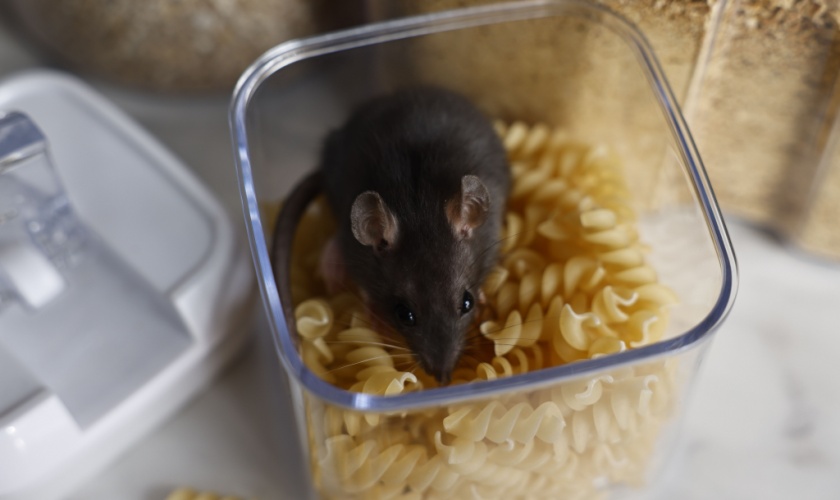
If you’ve heard scratching in your walls or found droppings in your pantry as temperatures have dropped, you’re experiencing a well-documented phenomenon: rodents become significantly more active in homes during cold weather. For Lexington homeowners, understanding why mice and rats invade during winter—and what you can do about it—is essential for protecting your property and family. Professional rodent control services provide the most effective solution for keeping these persistent pests out of your home year-round.
Rodents Don’t Hibernate
Unlike many wildlife species, mice and rats remain active throughout Kentucky’s winter months. They don’t hibernate or slow down—instead, they need to maintain their high metabolic rates by constantly consuming food. A single mouse can eat 15-20 times per day, requiring it to find reliable food sources even when outdoor options become scarce.
This biological necessity drives rodents indoors when temperatures drop. Your heated home offers everything they need for survival: warmth, readily available food, water sources, and safe nesting sites away from predators.
Temperature Drives Indoor Migration
Lexington’s winter temperatures typically range from the 20s to 40s Fahrenheit in January and February. While not the coldest climate in the country, these temperatures are uncomfortable and potentially deadly for small rodents.
Mice and rats seek indoor shelter when:
- Nighttime temperatures consistently drop below 50°F
- Food sources outdoors freeze or become buried under snow
- Ground becomes too hard for burrowing
- Vegetation dies back, eliminating hiding places from predators
Your home’s exterior temperature might be cold, but the space between your walls, your attic insulation, and areas near appliances create warm microclimates perfect for rodent habitation.
Food Scarcity Increases Desperation
During warmer months, rodents have abundant outdoor food sources: fallen seeds, insects, garden produce, and natural vegetation. Winter eliminates most of these options, making the food in your Lexington home irresistible.
Rodents can smell food through walls and packaging. They’re attracted to:
- Grains and cereals in pantries
- Pet food left in bowls or bags
- Crumbs on counters and floors
- Garbage that isn’t properly sealed
- Birdseed stored in garages or sheds
- Fruits and vegetables in storage
Once rodents discover a reliable food source in your home, they’ll establish territories and begin reproducing. A female mouse reaches sexual maturity in just 6 weeks and can have up to 10 litters annually, with 5-6 babies per litter.
Breeding Continues Indoors
Many people assume rodent populations decline in winter, but the opposite is true when they find indoor shelter. While outdoor rodent populations may decrease due to cold and predation, those that successfully enter homes can breed year-round.
Your heated home provides optimal breeding conditions. Rodents nest in:
- Wall voids with insulation
- Attic spaces near heating ducts
- Behind appliances that generate warmth
- Inside furniture or stored boxes
- Crawl spaces with minimal disturbance
A small rodent problem in December can become a major infestation by February if left unaddressed.
Entry Points Become More Vulnerable
Cold weather doesn’t just drive rodents to seek shelter—it also creates new entry points into your home. Kentucky’s freeze-thaw cycles can cause:
- Foundation cracks from expanding and contracting concrete
- Gaps around utility penetrations as materials shift
- Damaged weatherstripping on doors and windows
- Separated siding or trim from temperature fluctuations
- Compromised roof vents from winter storms
Mice can squeeze through openings as small as a quarter-inch—about the width of a pencil. Rats need only a half-inch gap. Your home likely has multiple vulnerable spots that become more accessible during winter months.
Increased Indoor Activity Makes Them More Noticeable
Rodents are always somewhat present in urban and suburban environments, but you’re more likely to encounter them during winter because:
- They’re spending more time in the living areas of your home, not just exterior walls
- You’re spending more time indoors, increasing the likelihood of detection
- Reduced outdoor noise makes scratching and gnawing more audible
- You’re using heating systems that disturb rodents in ductwork and vents
Health and Safety Concerns
Winter rodent activity poses serious risks:
- Disease transmission through droppings, urine, and saliva
- Contamination of food preparation surfaces
- Fire hazards from gnawed electrical wiring
- Structural damage from chewing wood, insulation, and pipes
- Allergies and asthma triggered by rodent allergens
Why Professional Control Is Essential
DIY rodent control methods often fail during winter because:
- Rodents are already established inside your home
- Store-bought traps address symptoms, not entry points
- Poisoned rodents may die in inaccessible wall voids, creating odor problems
- Multiple rodents require comprehensive, coordinated treatment
Professional pest control technicians identify all entry points, eliminate existing populations, and implement exclusion measures to prevent future infestations.
Don’t let rodents make your Lexington home their winter retreat. The longer you wait, the larger the population grows and the more damage they cause. Contact X-iT Pest & Wildlife Solutions today for a thorough rodent inspection and customized treatment plan that protects your family and property all winter long.