
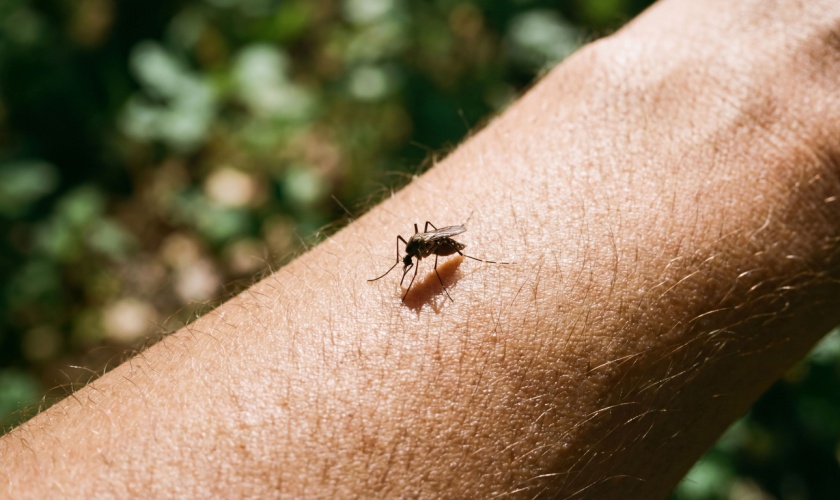
Summer in Central Kentucky is a season of outdoor living, but it also brings an unwelcome guest: mosquitoes. For Lexington homeowners, these pests seem to multiply overnight once the heat sets in. The surge isn’t random—it’s driven by several environmental and lifestyle factors that make summer the peak of mosquito season in Kentucky.
Heat Accelerates Their Life Cycle
Mosquitoes are cold-blooded insects, meaning their body temperature and activity levels are directly influenced by the environment. When Lexington’s summer heat rises, it speeds up every stage of their development—eggs hatch faster, larvae mature more quickly, and adults reproduce at a higher rate. This rapid turnover allows populations to grow exponentially in just a few weeks.
The warmth also extends their feeding window. Mosquitoes become more active at night when temperatures remain high, which means homeowners experience bites not just at dusk but well into the evening. Combined with the fact that female mosquitoes can lay hundreds of eggs in their lifetime, the heat ensures that once populations surge, they rarely slow down until cooler weather arrives.
Humidity and Rain Create Breeding Grounds
Lexington’s humid climate is another major factor. Mosquitoes thrive in moisture, and the city’s summer humidity provides the damp conditions they need to survive. Even without rainfall, high humidity helps adult mosquitoes live longer, giving them more time to reproduce and spread across neighborhoods.
Frequent summer storms compound the problem. Rainwater collects in gutters, flowerpots, and low‑lying areas, creating countless breeding sites. Because mosquito eggs can survive dry periods and hatch once water returns, every storm resets the cycle. This is why standing water mosquito problems are such a persistent challenge in Central Kentucky—the environment constantly replenishes their habitat.
Standing Water Around Homes
Mosquitoes are opportunists. They don’t need lakes or ponds to thrive—just a few ounces of stagnant water can sustain hundreds of larvae. Around Lexington homes, everyday features often become breeding sites without homeowners realizing it. Here are some of the most overlooked sources:
- Clogged gutters: When leaves and debris block water flow, gutters transform into rooftop reservoirs. Because they’re out of sight, infestations can spread unnoticed until mosquito numbers spike across the property.
- Birdbaths: A favorite backyard feature for birds, but also for mosquitoes. Shallow water warms quickly in the sun, creating an ideal environment for larvae unless the basin is emptied and scrubbed every few days.
- Children’s toys: Plastic playsets, wagons, or even a forgotten sandbox bucket can trap rainwater. These small pools are rarely checked, making them stealth breeding stations right in the middle of family play areas.
- Rain barrels without covers: While eco‑friendly, uncovered barrels are mosquito factories. A single barrel can produce thousands of adults in a season, turning water conservation into an unintended pest problem.
- Low lawn areas: Poor drainage leaves puddles that linger for days. Because they blend into the landscape, homeowners often dismiss them as harmless, yet they provide perfect conditions for mosquito larvae to mature.
- Neglected pools or covers: Even a thin layer of water on a pool cover is enough for mosquitoes to breed. Unused or poorly treated pools act like giant incubators, fueling infestations across entire neighborhoods.
- Overwatered gardens: Excess irrigation saturates soil and creates damp pockets around plant roots. Mosquitoes exploit these micro-habitats, laying eggs in moist areas that stay wet long after sprinklers are turned off.
By spotting and eliminating these hidden water sources, homeowners can dramatically reduce standing water mosquito problems and cut down on infestations before they spread.
Peak Human Activity Outdoors
Summer evenings in Lexington are perfect for barbecues, porch gatherings, and backyard play. Unfortunately, these are the same times mosquitoes are most active. They feed at dawn and dusk, which aligns almost perfectly with when residents are outside. This overlap makes their presence feel far worse in summer compared to other seasons.
Human activity also attracts mosquitoes in subtle ways. Sweat, body heat, and carbon dioxide from breathing all act as signals that draw them in. The more people gather outdoors, the stronger these signals become, creating hotspots of mosquito activity around patios, decks, and lawns. This is why Lexington mosquito problems often feel most intense during social events or family evenings outside.
Limited Natural Predators in Urban Areas
In natural ecosystems, mosquitoes are kept in check by predators like bats, dragonflies, and certain bird species. But in urban and suburban areas of Lexington, these predators are less abundant. Habitat loss, reduced biodiversity, and human development all limit the presence of natural mosquito control.
Without these predators, mosquito populations grow unchecked. Neighborhoods with fewer trees, wetlands, or bat colonies often experience higher mosquito activity. This imbalance highlights why professional mosquito treatment in Lexington KY is so important—it replaces the natural controls that urban environments no longer provide.
Keep Summer Comfortable
Lexington’s climate may favor mosquitoes, but your yard doesn’t have to. X‑iT Pest and Wildlife Solutions provides tailored mosquito control programs that address the very factors fueling summer infestations—from standing water to humid conditions and peak evening activity. Our treatments reduce populations and protect families, whether you live on a small lot or a larger estate.
Contact X‑iT Pest and Wildlife Solutions today to schedule your inspection. We’ll uncover hidden breeding sites, apply safe and effective treatments, and make sure your summer evenings are spent enjoying the outdoors—not battling mosquitoes.