
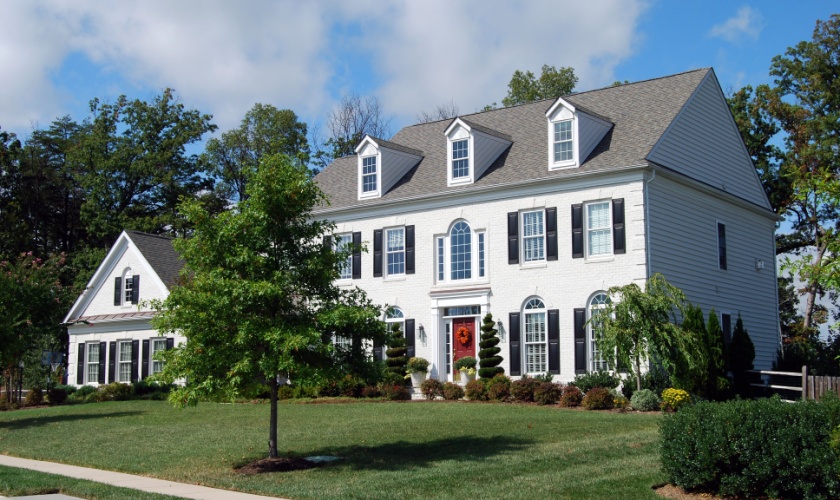
Two houses on the same street in Lexington can have very different pest situations. One homeowner rarely sees an ant inside. The neighbor two doors down deals with them every spring. One property has wasps nesting under the eaves every summer. The house next door never seems to have a problem. It can leave you asking, ‘why do I have more bugs than my neighbors?’ These differences are the result of specific, identifiable conditions that make certain properties more attractive to pests than others.
Understanding those conditions is useful for any Lexington homeowner—both for diagnosing an existing problem and for making targeted improvements that reduce pest activity over time. X-iT Pest & Wildlife Solutions provides residential pest control throughout Lexington and Central Kentucky, and the factors described below are among the most common contributors to elevated pest activity that their technicians encounter on local properties.
Landscaping Differences
The landscaping choices a homeowner makes have a direct effect on which pests are present and how easily they can access the structure. Several landscaping features consistently contribute to higher pest activity.
Dense ground cover and mulch beds placed directly against the foundation create ideal habitat for ants, spiders, millipedes, earwigs, and moisture-seeking cockroaches. Mulch retains moisture, provides insulation, and offers concealment—all conditions that ground-level pest species seek out. When mulch is piled against a foundation, it effectively bridges the gap between the soil and the structure, giving pests direct access to entry points at the base of the wall.
Overgrown shrubs and low-hanging tree branches that contact the exterior of a home create pathways for ants, spiders, and rodents to bypass ground-level barriers entirely. Squirrels and rats use tree branches as bridges to access rooflines and soffits. Ants trail along branches that touch siding or window frames.
Ivy and climbing vines on exterior walls are a consistent pest harborage point. They trap moisture against the siding or masonry, create concealed nesting spaces, and are particularly attractive to a range of insects and spiders.
Lawns with thatch buildup or areas of consistently wet turf support higher populations of crane flies, fungus gnats, and ground-nesting insects. Properties with irrigation systems that run too frequently or that have drainage issues tend to have more insect activity in lawn areas than drier, well-maintained turf.
Moisture Issues
Moisture is the single most consistent factor that separates high-pest properties from low-pest ones. Nearly every common pest species found in Lexington homes is either attracted to moisture directly or is drawn to the secondary conditions moisture creates.
Crawl spaces are the most significant moisture contributor on properties that have them. An unencapsulated crawl space with exposed soil generates humidity that rises into the structure above. This creates conditions favorable to subterranean termites, carpenter ants, wood-decaying fungi, and a range of moisture-seeking insects. Homes with unsealed or poorly ventilated crawl spaces consistently have higher pest activity than those with encapsulated crawl spaces or slab foundations under otherwise similar conditions.
Plumbing leaks inside wall voids and under sinks create localized moisture that attracts cockroaches, silverfish, and carpenter ants. Small, slow leaks that go undetected for extended periods can soften wood framing and make it susceptible to carpenter ant excavation.
Clogged or improperly pitched gutters cause water to pool at the foundation rather than draining away from the structure. This saturates the soil at the base of the foundation and creates persistent moisture conditions that are favorable to ants, termites, and moisture-seeking insects at the foundation level.
Poor grading around the foundation—where the soil slopes toward the house rather than away from it—directs rainwater toward the structure. Over time this contributes to foundation moisture, basement dampness, and the pest activity that follows.
Proximity to Wooded Areas and Open Land
Properties that border wooded areas, creek corridors, horse farm fencing lines, or open agricultural land in Fayette County have consistent exposure to a wider range of pests simply because of what is living nearby.
Deer ticks are significantly more prevalent on properties adjacent to wooded areas and tall grass margins. Tick activity in Lexington is directly tied to the presence of deer, which are common in suburban neighborhoods that border green space throughout Fayette County.
Mosquitoes breed in standing water in wooded areas, creek margins, and drainage swales. Properties that back up to these features have greater mosquito activity than properties in more open, urban settings.
Rodents use wooded corridors and overgrown fence lines as travel routes. Mice and rats move from wooded cover to residential structures along these pathways, particularly in fall. Homes at the edge of open land or near creek drainage areas tend to see higher rodent pressure in fall and winter than properties located deeper within established neighborhoods.
Wildlife including raccoons, opossums, groundhogs, and squirrels, are more common on properties adjacent to open land and tree cover, and their presence around a structure increases the likelihood of pest-related entry point damage.
Foundation Conditions and Construction Type
The physical condition and construction type of a home’s foundation have a direct effect on pest vulnerability.
Crawl space foundations are more pest-vulnerable than slab foundations in most cases, primarily because of the moisture and soil-to-wood interface issues described above. In Lexington, where crawl space construction is common in older neighborhoods and hillside lots, this is a meaningful contributor to pest activity differences between neighboring properties.
Foundation cracks and gaps around utility penetrations—where plumbing, electrical conduit, and HVAC lines enter the structure—are primary entry points for mice, rats, cockroaches, and ants. A home that has had plumbing work done without proper sealing around pipe penetrations may have multiple accessible entry points that a neighboring home without those gaps does not.
Brick veneer construction with weep holes at the base of the wall—standard in many Lexington-area homes built from the 1970s onward—provides entry access for small insects and occasionally mice if weep holes are open and unscreened. Homes with properly maintained weep hole covers have fewer entries of this type.
Home Age and Construction Materials
Older homes in Lexington—particularly those in neighborhoods like Ashland Park, Chevy Chase, Kenwick, and the areas surrounding downtown—tend to have higher pest vulnerability than newer construction for several reasons.
Wood framing that has aged and dried develops gaps and cracks at joints that were tight when the home was built. Settled foundations create separations between structural elements. Decades of seasonal expansion and contraction open pathways at window frames, door frames, and where the sill plate meets the foundation.
Older utility penetrations are often less well-sealed than in newer construction. Homes built before modern building standards became common may have gaps around plumbing and electrical entries that have never been properly addressed.
Previous pest activity in older homes can leave behind conditions that attract new infestations. Rodent tunnels through insulation, carpenter ant galleries in softened framing members, and moisture damage from historical leaks all create conditions that make a structure more accessible and attractive to pests than a home without that history.
Preventative Maintenance and What Homeowners Can Do
Several practical steps consistently reduce pest activity on residential properties in Lexington:
- Pull mulch and ground cover back at least six inches from the foundation
- Keep shrubs trimmed away from exterior walls and cut back branches that contact the roofline
- Clean gutters at least twice per year and confirm downspouts are directing water away from the foundation
- Seal gaps around utility penetrations with appropriate caulk or steel wool
- Address plumbing drips and leaks promptly
- Inspect door sweeps and window screens seasonally and replace worn components
- Have crawl spaces evaluated for moisture and consider encapsulation if humidity is an ongoing issue
These steps reduce the conditions that attract pests, but they do not replace professional treatment for species that are already established or that require targeted methods to control effectively.
Professional Pest Management
Some pest problems are directly tied to property conditions and respond well to a combination of physical corrections and targeted treatment. Others—like subterranean termites, German cockroaches, and established rodent populations—require professional intervention regardless of how well a property is maintained.
X-iT Pest & Wildlife Solutions inspects Lexington properties to identify the specific conditions contributing to pest activity and develops treatment plans based on what is actually present. If your home consistently has more pest activity than your neighbors, a professional inspection is the most direct way to understand why and what to do about it. Schedule an inspection to get started.