
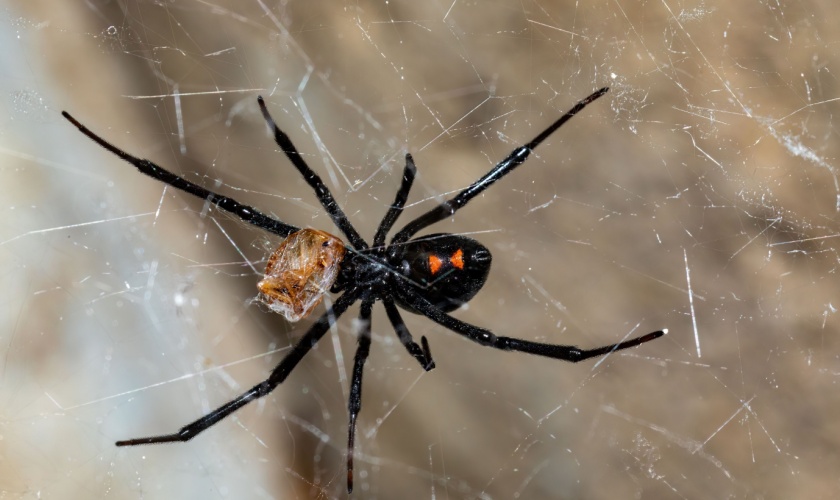
Finding spiders in your Lexington home can be unsettling, even though most species are harmless and actually beneficial by controlling other insect populations. However, knowing which spiders commonly inhabit Kentucky homes—and which ones require caution—helps you make informed decisions about pest control. From harmless cellar dwellers to potentially dangerous species, understanding spider identification and behavior protects your family while maintaining realistic expectations about these eight-legged residents. Professional spider control services can reduce spider populations in your home while addressing the underlying insect problems that attract them.
Common House Spider
The common house spider is exactly what its name suggests—the spider you’re most likely to encounter in your Lexington home year-round. These spiders are completely harmless to humans and are often found in undisturbed areas.
Identification features:
- 1/4 inch body length (females larger than males)
- Yellowish-brown coloring with darker markings
- Bulbous abdomen
- Long, thin legs relative to body size
Behavior and habitat:
Common house spiders build tangled, irregular webs in corners, behind furniture, in basements, and in closets. They’re not aggressive and will flee if disturbed. These spiders:
- Rarely bite humans
- Help control flies, mosquitoes, and other small insects
- Can live for several years
- Produce multiple egg sacs during their lifetime
You’ll typically notice their dusty-looking cobwebs before you see the spiders themselves. While they’re beneficial, many homeowners prefer to reduce their numbers for aesthetic reasons.
Wolf Spiders
Wolf spiders are large, fast-moving hunters that often alarm Lexington homeowners due to their size and speed. Despite their intimidating appearance, they’re not aggressive toward humans.
Identification features:
- 1/2 to 1 inch body length (some larger)
- Brown or gray with darker markings
- Hairy appearance
- Eight eyes arranged in three rows
- Robust, thick legs
Behavior and habitat:
Unlike most spiders, wolf spiders don’t build webs. Instead, they:
- Hunt prey actively, relying on speed and excellent vision
- Live on the ground in leaf litter, gardens, and basements
- Enter homes in fall seeking shelter
- Carry egg sacs attached to their spinnerets
- Care for their young by carrying spiderlings on their backs
Wolf spiders can bite if handled or trapped against skin, but their venom causes only minor, localized pain similar to a bee sting. They’re beneficial predators that control insect populations in and around your home.
Black Widow Spiders
Black widows are the most medically significant spiders in Lexington. While they’re not aggressive, their venomous bite requires medical attention.
Identification features:
- 1/2 inch body length (females; males much smaller)
- Shiny black coloring
- Distinctive red hourglass marking on underside of abdomen
- Bulbous, rounded abdomen
- Long, thin black legs
Behavior and habitat:
Female black widows (males are harmless and rarely seen) build irregular webs in:
- Woodpiles and debris piles
- Outdoor furniture left undisturbed
- Garages and sheds
- Crawl spaces
- Behind outdoor equipment
- Rock walls and foundations
Safety information:
Black widows are shy and only bite when defending themselves or their egg sacs. Bites typically occur when:
- Reaching into dark spaces without looking
- Putting on shoes or gloves stored in garages
- Moving items where spiders are hiding
Bite symptoms include:
- Immediate sharp pain
- Muscle cramping and spasms
- Abdominal pain
- Sweating and nausea
- Elevated blood pressure
If bitten by a black widow, seek medical attention. While rarely fatal in healthy adults, the venom causes significant discomfort and may require treatment.
Brown Recluse Spiders
Brown recluse spiders occasionally appear in Lexington, though they’re less common here than in southern and western Kentucky. These spiders deserve caution due to their potentially serious bites.
Identification features:
- 1/4 to 3/4 inch body length
- Light to dark brown coloring
- Violin or fiddle-shaped marking on top of cephalothorax
- Six eyes arranged in three pairs (most spiders have eight eyes)
- Long, thin legs
- Uniform coloring on legs (no stripes or bands)
Behavior and habitat:
Brown recluses are reclusive, as their name suggests. They avoid human contact and are active primarily at night. They hide in:
- Undisturbed boxes and storage items
- Closets and attics
- Behind baseboards and wall voids
- Garages and sheds
- Dark corners of basements
Bite concerns:
Brown recluse bites can cause necrotic lesions in some cases, though many bites cause only minor symptoms. Bites typically occur when:
- Spiders are trapped against skin
- People put on clothing where spiders are hiding
- Reaching into dark storage areas
Bite symptoms may include:
- Initial pain (though sometimes painless initially)
- Redness and swelling
- Potential necrotic wound development (in serious cases)
- Fever, chills, and body aches
If you suspect a brown recluse bite, seek medical evaluation, especially if the wound shows signs of developing necrosis.
Orb Weaver Spiders
Several orb weaver species inhabit Lexington, creating the classic circular webs often seen in gardens and between structures. While intimidating due to their size, they’re harmless.
Identification features:
- 1/2 to 1 inch body length (varies by species)
- Bulbous, colorful abdomens with various patterns
- Brown, yellow, orange, or black coloring
- Long legs
Behavior and habitat:
Orb weavers build intricate, spiral webs across:
- Garden plants
- Between trees and structures
- Outdoor lighting fixtures
- Porches and eaves
These spiders typically remain in their webs and rebuild them nightly. They’re beneficial predators that consume mosquitoes, flies, and other flying insects.
Professional Spider Control Benefits
While most spiders are harmless, professional control provides:
- Accurate identification of species, including dangerous ones
- Treatment of underlying insect problems attracting spiders
- Safe removal of webs and egg sacs
- Preventive treatments reducing future spider activity
- Expertise in handling potentially dangerous species
Concerned about spiders in your Lexington home? Whether you’re dealing with harmless house spiders or potentially dangerous species, accurate identification and proper treatment provide peace of mind. Contact X-iT Pest & Wildlife Solutions for professional spider identification and customized control solutions that address both spiders and the insects that attract them.