
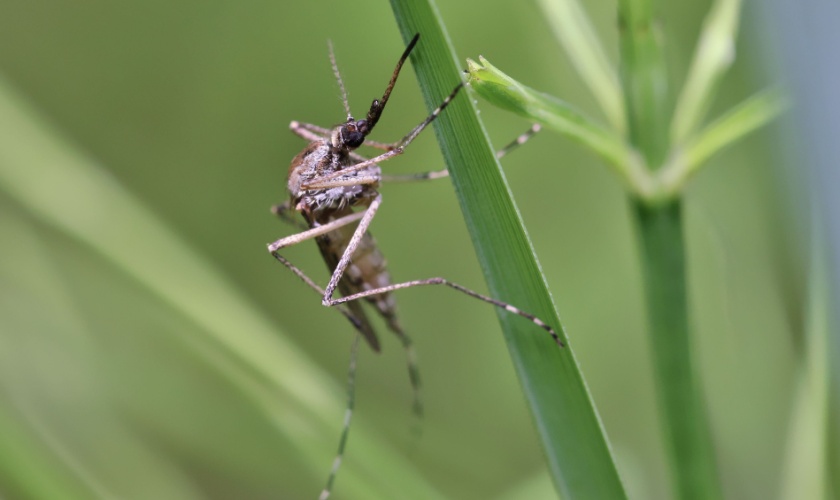
Every Kentucky homeowner knows the frustration of swatting mosquitoes the moment they step outside. What’s less obvious is that the worst infestations often start right at home—in overlooked spots that quietly become breeding factories. These aren’t distant swamps or wild ponds; they’re everyday features of your property that, when neglected, give mosquitoes everything they need to multiply.
From clogged gutters to forgotten toys, the most stubborn mosquito problems are born in places we walk past every day. By uncovering the worst mosquito breeding areas around Kentucky homes, you’ll see how these pests gain the upper hand—and how simple changes can disrupt mosquito growth before it escalates.
Clogged Gutters
When gutters are packed with leaves, twigs, and dirt, rainwater has nowhere to go. Instead, it pools in hidden pockets along the roofline. These stagnant pools are perfect for mosquito larvae, which thrive in still water. Because gutters are out of sight, homeowners often don’t realize they’ve become breeding zones until swarms appear.
The problem is compounded during Kentucky’s rainy season, when clogged gutters can hold water for weeks. Mosquitoes only need a few days to complete their life cycle, so even short‑term blockages can fuel infestations. Left unchecked, gutters can become one of the largest mosquito nurseries on a property.
Preventing this requires more than occasional cleaning. Installing gutter guards, scheduling seasonal maintenance, and ensuring downspouts drain properly are long‑term solutions that keep water moving and mosquitoes out.
Bird Baths
Bird baths bring charm to a yard, but they’re also one of the most overlooked mosquito nurseries. Water that sits for more than a few days becomes stagnant, giving mosquitoes a reliable place to lay eggs. Even a small basin can produce hundreds of larvae in less than a week.
Kentucky’s warm summers accelerate this process, as higher temperatures speed up mosquito development. Homeowners who enjoy bird watching often don’t realize their bird bath is doubling as a breeding ground. This creates a cycle where birds are attracted, but so are mosquitoes.
To keep bird baths safe, refresh the water every two to three days, scrub the basin to remove algae, and consider adding a small fountain pump to keep water moving. Flowing water disrupts mosquito reproduction and allows you to enjoy the feature without fueling infestations.
Flower Pots and Saucers
Plant lovers often overlook the water that collects in saucers beneath pots. These shallow pools are ideal for mosquito breeding because they’re shaded, protected, and rarely disturbed. Kentucky’s humid summers make the problem worse, as moisture lingers longer in soil and containers.
Even small amounts of water can sustain larvae. A single saucer left untouched for a week can produce dozens of adult mosquitoes. Because pots are scattered across patios and porches, they often go unnoticed until infestations spread.
Emptying saucers after watering, drilling drainage holes, or storing unused pots upside down can eliminate these hidden breeding sites. Consistency is key—mosquitoes exploit even brief lapses in maintenance.
Children’s Toys
Buckets, playsets, and outdoor toys are magnets for rainwater. A forgotten sandbox lid or a hollow toy left in the yard can collect enough water to sustain mosquito larvae. Because these items are scattered across lawns, they’re easy to overlook.
Children’s toys also tend to be left outside for long periods, especially during summer. This creates recurring breeding spots that mosquitoes rely on. Families often notice swarms near play areas, not realizing the toys themselves are the source.
A quick inspection after storms, draining water from buckets, and storing toys in a dry place can eliminate these hidden nurseries. Protecting play areas from mosquitoes keeps children safe and reduces infestations across the property.
Tarp Covers
Pool covers, grill covers, and tarps draped over outdoor equipment often seem harmless, but they can quietly become mosquito breeding sites. When tarps sag or fold, they trap rainwater in creases that remain damp for days or even weeks. These shallow pools are perfect for mosquito larvae, especially during Kentucky’s rainy season.
Because tarps are designed to protect valuable items, homeowners rarely think of them as risks. Yet a single tarp pocket can sustain hundreds of larvae, turning protective covers into mosquito factories. The problem worsens when tarps are left in place for long periods without adjustment, allowing water to accumulate repeatedly.
Preventing this requires vigilance. Tightening covers, removing pooled water after storms, and storing tarps properly when not in use are simple but effective steps. Regular inspections ensure mosquitoes don’t exploit these overlooked areas. By treating tarps as potential breeding grounds, homeowners can shut down another hidden source of infestations.
Old Tires
Few items are as notorious for mosquito breeding as discarded tires. Their circular shape traps rainwater perfectly, and the rubber material keeps that water shaded and cool—an ideal environment for larvae. Because tires are often left untouched for months, they become long‑term nurseries where mosquitoes can reproduce continuously throughout the summer.
In Kentucky, rural and suburban properties frequently store spare tires outdoors, whether stacked behind garages or left near sheds. Each tire can produce thousands of mosquitoes in a single season, fueling infestations that spread far beyond the immediate yard. The problem is compounded after heavy rainfall, when tires refill quickly and remain saturated for weeks.
The most effective solution is removal. Recycling unused tires or disposing of them properly cuts off one of the most reliable breeding sources. If storage is unavoidable, keeping tires covered, indoors, or drilled with drainage holes prevents them from becoming mosquito factories. Addressing this single issue can dramatically reduce mosquito populations around a home.
Low Spots in Lawns
Poor drainage is one of the most underestimated contributors to mosquito infestations. Shallow depressions in the lawn collect rainwater and irrigation runoff, forming puddles that linger long after storms. These pools may look harmless, but they provide the still, shaded water mosquitoes need to reproduce.
Kentucky’s warm summers accelerate the problem. Higher temperatures speed up mosquito development, meaning larvae in these puddles can mature into biting adults in less than a week. Because low spots blend naturally into the landscape, homeowners often overlook them, allowing infestations to build season after season.
Over time, these recurring puddles become reliable breeding grounds, fueling swarms that spread across the property. Long‑term solutions include leveling the lawn, installing French drains, or improving soil composition to enhance absorption. By eliminating these hidden reservoirs, homeowners remove one of the most consistent sources of mosquito growth.
Pinpointing Breeding Grounds With Professional Accuracy
Mosquito infestations don’t happen by chance—they start in overlooked corners of a property. DIY steps like emptying bird baths or draining flower pots can help, but mosquitoes are resilient. One clogged gutter or hidden puddle is enough to restart the cycle, which is why homeowners across Kentucky rely on mosquito control experts who can identify breeding zones with precision.
At X‑iT Pest and Wildlife Solutions, our authority lies in accuracy. We begin with a detailed inspection of your property, uncovering the hidden places mosquitoes exploit—sagging tarps, shaded lawn depressions, or discarded tires that act as perfect nurseries. Once mapped, we apply safe, targeted treatments designed not just to kill adult mosquitoes but to disrupt their life cycle entirely. This professional accuracy ensures infestations are eliminated at the source, not just masked temporarily.
What makes our service different is accountability. We don’t just spray and walk away—we stand behind every treatment. If mosquitoes find their way back, we return to shut them down again. That promise reflects more than confidence; it reflects the precision and local knowledge we bring to every Kentucky property. Families trust us because we don’t deliver temporary fixes—we deliver strategies rooted in science and tailored to the unique breeding grounds around Kentucky homes. Contact X‑iT Pest and Wildlife Solutions today and shut down the breeding sites mosquitoes depend on.