
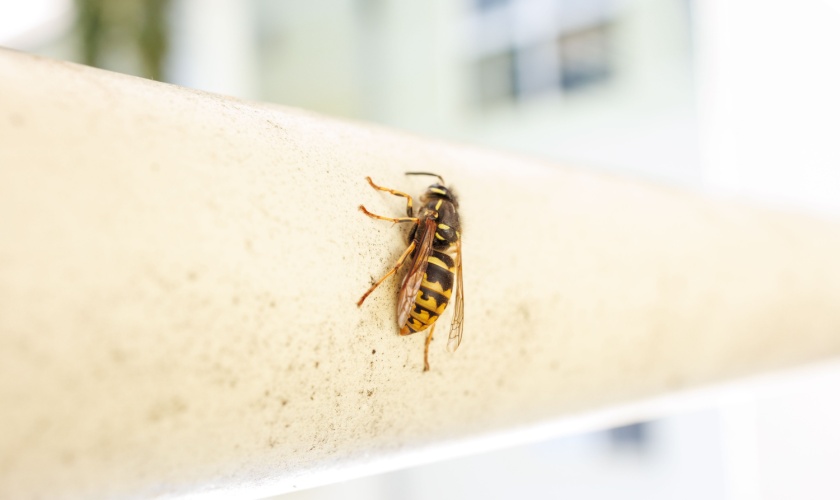
Across Central Kentucky, stinging insects are a recurring problem for homeowners. Wasps, hornets, and yellow jackets establish colonies close to human activity, turning porches, lawns, and attics into risky spaces. Knowing which species are most common provides the insight needed for safe removal and long‑term prevention.
Wasps: The Persistent Builders
Wasps are among the most visible stinging insects in Kentucky, and their ability to adapt makes them especially persistent. They construct papery nests under roof eaves, inside sheds, or tucked into porch corners where shelter is abundant. While solitary wasps are less aggressive, social species defend their colonies fiercely, often stinging multiple times when they feel threatened. Their presence near entryways or outdoor seating areas can quickly turn routine activities into safety concerns.
In addition to the immediate risk of stings, wasps can disrupt how families use their outdoor spaces. Children playing in the yard or homeowners tending gardens may unknowingly approach a nest, triggering defensive behavior. Because nests can expand rapidly during warm months, professional removal is the safest way to eliminate colonies before they grow larger and create recurring problems.
Hornets: Large and Territorial
Hornets are larger than most wasps and are known for their intimidating presence. Their enclosed nests, often suspended from trees or hidden beneath rooflines, can house hundreds of insects. Disturbing a hornet colony is dangerous—they respond quickly and in numbers, making even a brief encounter hazardous. Their sting is more painful than that of many other stinging insects, and multiple stings can occur in a single incident.
Hornets also pose a challenge because their nests are often built in high or concealed locations. This makes them difficult to spot until activity increases. Attempting removal without training often ends in painful stings and incomplete results. Safe removal requires specialists who understand how to handle these highly defensive insects and can apply preventative measures to stop colonies from re‑establishing.
Yellow Jackets: Hidden Threats
Yellow jackets are notorious for nesting in concealed spaces. They burrow underground, squeeze into wall voids, or occupy abandoned structures. Colonies can grow into the thousands, and unlike bees, yellow jackets can sting repeatedly. Increased activity near siding or lawn edges often signals a hidden nest that should be addressed quickly before swarms endanger outdoor gatherings.
Their aggressive nature makes them especially dangerous during outdoor activities. Mowing the lawn, gardening, or even walking near a hidden nest can trigger a swarm. Because they can sting multiple times, yellow jackets pose a serious risk to children, pets, and anyone with allergies. Professional removal ensures nests are eliminated safely and reduces the chance of re‑infestation in the same area.
Other Stinging Insects You Might Encounter
While wasps, hornets, and yellow jackets are the most common, Kentucky homeowners may also encounter other species that can cause problems when they nest too close to living spaces:
- Paper wasps: Known for their umbrella‑shaped nests, often found under rooflines or porch ceilings. They are less aggressive but will sting if disturbed.
- Mud daubers: Solitary wasps that build mud tubes on walls or in attics. They rarely sting but can be unsettling when nests appear indoors.
- Carpenter bees: Large bees that bore into wood to create nesting tunnels. While not highly aggressive, their activity can damage siding, decks, and fences.
- Bald‑faced hornets: A type of wasp that builds large, enclosed nests in trees or shrubs. They are highly defensive and deliver painful stings.
- Cicada killers: Large solitary wasps that dig burrows in the soil. They rarely sting humans but can alarm homeowners due to their size.
Recognizing these insects early allows for timely control before colonies expand or structural damage occurs.
Finding Out What’s Buzzing in Your Home
DIY nest removal often ends with painful stings and incomplete results. Each species—whether wasps, hornets, or yellow jackets—requires a different approach, and misidentifying them can make the situation worse. A nest tucked under the eaves or hidden in the ground may look similar at first glance, but the insect inside determines how aggressive the colony will be and how it should be treated.
At X‑iT Pest and Wildlife Solutions, we don’t just remove nests—we help homeowners understand exactly which stinging insect has moved in and why it chose that spot. By identifying the species first, our team applies the safest and most effective strategy to eliminate the problem and prevent it from returning. With our service guarantee—if pests come back, so do we—families across Kentucky can trust us to restore comfort and safety.
Contact X‑iT Pest and Wildlife Solutions today to schedule an inspection and find out which stinging insects are around your home.