
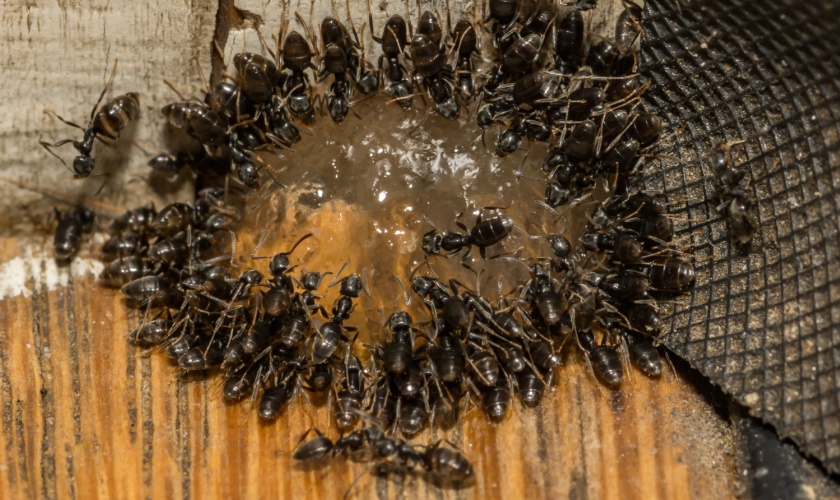
The biggest ant problems in Lexington homes often start in the same places. Kitchens, bathrooms, and foundation walls act as magnets for colonies looking to expand. By pinpointing these hotspots, you can protect your home from the steady march of ants that never stop searching for a way in.
Kitchens: The Core of Infestations
Food is the ultimate draw for ants, and kitchens provide endless opportunities. Crumbs under appliances, spills on counters, and even pet food bowls become reliable sources. Once scouts locate these attractants, they signal the colony to follow, creating trails that quickly overwhelm pantries and countertops.
Ants are also attracted to hidden food residues that homeowners often miss. Grease buildup behind stoves, sticky spots under refrigerators, and residue inside trash bins can sustain colonies for weeks. Even the smallest sugar spill or fruit left uncovered can become a magnet for ants. Because kitchens are used daily, these conditions are constantly renewed, making them the most consistent hotspot for infestations in Lexington homes. Regular deep cleaning and sealing food in airtight containers are essential steps to break this cycle.
Bathrooms: Moisture Havens
Ants don’t just chase food—they need water. Bathrooms offer consistent moisture from sinks, tubs, and leaky pipes. Odorous house ants and pavement ants thrive in these damp conditions, often nesting nearby and returning repeatedly to drink.
Even small amounts of condensation can lure ants. Steam from showers, damp grout lines, and water pooling around toilet bases create microhabitats that ants exploit. Over time, these conditions allow colonies to establish themselves in wall voids or beneath flooring, where they remain hidden but active. Bathrooms tend to have multiple entry points through plumbing lines, giving ants easy access from outside. Without addressing leaks and humidity, these spaces can become permanent watering stations for colonies.
Foundations and Walls: Hidden Pathways
Structural gaps are another major hotspot. Cracks in foundation walls, unsealed utility lines, and gaps around doors or windows allow ants to slip inside. Once indoors, they often nest behind drywall or beneath flooring, making detection difficult until the infestation grows.
Foundations are especially vulnerable because they connect directly to outdoor colonies. Ants often build nests in soil along the perimeter of a home, then expand indoors through even the smallest fissures. This creates a constant cycle of reinfestation unless those entry points are properly sealed and monitored. In some cases, carpenter ants even hollow out wood structures, weakening beams and joists over time. Because these colonies operate out of sight, homeowners may not notice the damage until it becomes extensive, making professional inspections critical for long‑term protection.
Common Ant Hiding Spots
Here are the areas Lexington homeowners should watch most closely:
- Kitchen cabinets: Ants slip into cabinets through tiny gaps, drawn to sugar, cereal, and other unsealed food items. Even a single open package can sustain a colony.
- Pantry shelves: Crumbs and spills often go unnoticed here, creating a steady food supply. Ants follow scent trails directly to these shelves, making pantries one of the first places infestations spread.
- Bathroom sinks and tubs: Moisture pooling around drains or faucets provides a reliable water source. Ants often nest nearby and return repeatedly to drink.
- Basements and crawl spaces: Damp, dark environments give ants shelter and easy access to structural entry points. Colonies often thrive here undetected until numbers grow large.
- Attic insulation: Warmth and protection make attics appealing for ants seeking hidden nesting sites. Colonies can remain concealed in insulation for months.
- Foundation cracks: These act as direct highways from outdoor soil nests into the home. Once inside, ants spread quickly to kitchens and bathrooms.
- Utility line gaps: Openings around pipes and wiring provide discreet entry routes. Ants use these pathways to move between walls and living spaces without being seen.
Why Lexington Homes Are Vulnerable
Central Kentucky’s climate accelerates ant activity. Warm summers fuel colony growth, while mild winters allow many species to survive year‑round. Combined with the everyday availability of food and water inside homes, it’s clear why ants repeatedly target kitchens, bathrooms, and foundations.
The age and design of many Lexington properties contribute to the problem. Older homes often have settling foundations, worn seals, and outdated construction materials that create easy entry points. Even newer builds can be at risk if landscaping brings soil and vegetation too close to the structure, giving ants direct access to walls and crawl spaces.
Neighborhood density plays a significant role in infestations. In areas where homes are built close together, ant colonies can spread rapidly from one property to the next. Shared utility lines, connected soil beds, and overlapping drainage systems allow infestations to move across entire blocks. Without proactive prevention, one homeowner’s ant problem can quickly become a community‑wide issue.
Seasonal shifts intensify the challenge. Heavy rains drive ants out of saturated soil, pushing them indoors in search of dry shelter. During droughts, they move inside for water, targeting bathrooms and kitchens. These environmental pressures make Lexington homes particularly vulnerable year‑round, regardless of weather conditions.
Smart Defense Against Ants in Kentucky Homes
Keeping ants out isn’t about quick fixes—it’s about building consistent habits that make your home less inviting. Lexington homeowners can cut off infestations by removing attractants and closing the pathways ants rely on.
- Seal food in airtight containers: Prevent ants from detecting and accessing sugar, grains, or pet food.
- Maintain regular cleaning routines: Wipe counters, sweep floors, and empty trash bins to eliminate crumbs and residue.
- Fix leaks and control moisture: Repair dripping faucets, seal bathroom grout, and use dehumidifiers in damp areas.
- Close cracks and gaps: Seal openings in foundation walls, around windows, and near utility lines to block entry points.
- Schedule professional inspections: Pest experts can uncover hidden vulnerabilities and apply treatments before colonies spread.
For lasting success, homeowners should combine routine maintenance with expert pest control services that address both current infestations and future risks.
Professional Help When Ants Return
Even with careful cleaning and sealing, ants can find ways back into Lexington homes. Once colonies re‑establish themselves, DIY solutions rarely provide lasting relief. Professional support becomes the most reliable way to stop infestations from spreading further.
X‑iT Pest and Wildlife Solutions specializes in identifying ant entry points in houses and eliminating infestations at the source. Our Lexington team uses proven treatments and prevention strategies tailored to Kentucky homes, ensuring ants don’t get a second chance.
Contact X‑iT Pest and Wildlife Solutions today to schedule your inspection—because when ants come back, we’re ready to stop them for good.