
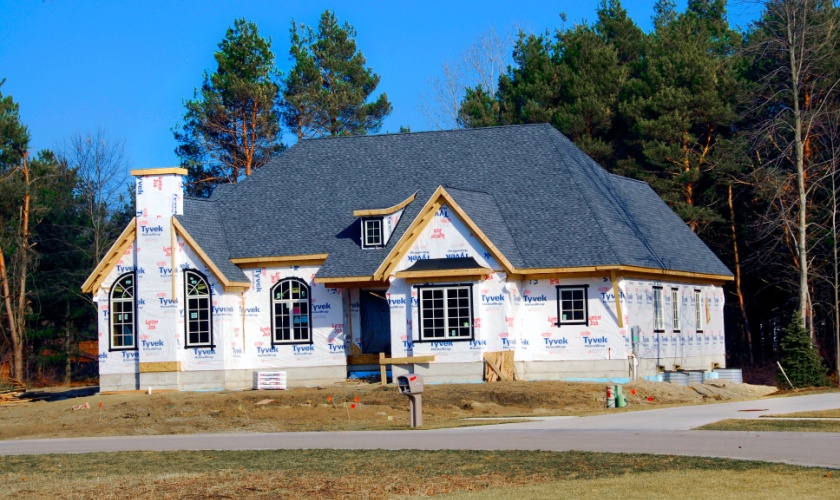
As Lexington continues to grow, new residential developments are changing more than just the local skyline. Construction activity, disturbed landscapes, and expanding neighborhoods can all influence where pests and wildlife live and how they move through an area. These changing conditions are one reason why new construction pest control in Lexington has become an important consideration for many homeowners.
From disturbed soil and developing landscapes to newly built structures and neighboring construction sites, several factors can contribute to pest activity around new homes. Here are some of the most common pest problems homeowners may encounter after moving into a newly constructed property.
Disturbed Soil Can Drive Ants Toward New Homes
Construction begins with significant ground disturbance. Excavation, grading, and foundation work disrupt underground habitats where ants have established colonies, forcing many of them to relocate in search of food, moisture, and shelter. Rather than remaining in the areas where they originally nested, displaced colonies often begin exploring nearby structures.
Even after construction is complete, the surrounding property can continue attracting ants. Newly installed irrigation systems, fresh mulch, decorative landscaping, and young vegetation often provide consistent moisture and protected areas where ants can forage more easily. These features help support ant activity while the landscape continues to mature.
Some species are particularly effective at taking advantage of these opportunities. Pavement ants, odorous house ants, and Argentine ants are all capable of locating small openings around foundations, expansion joints, and utility penetrations, allowing them to move indoors while searching for food or water. Once foraging trails become established, ants often return to the same areas repeatedly unless the colony itself is addressed.
Because ant colonies usually remain hidden underground or beneath landscaping materials, homeowners may only notice the workers entering the home rather than the source of the problem. Identifying where ants are nesting and why they are being attracted to the property can help prevent recurring activity as the neighborhood continues to develop.
Construction Materials Can Create Shelter for Spiders
Construction sites naturally contain materials that provide temporary shelter for spiders. Lumber stacks, pallets, bricks, stone, and other stored building materials create shaded hiding places where spiders can remain protected while homes are being completed.
After construction ends, spiders don’t simply disappear. Landscaping materials, retaining walls, decorative rock, storage areas, and outdoor equipment continue providing many of the same protected environments. Garages and exterior storage spaces are especially common places for spiders because they experience less daily disturbance than the main living areas of a home.
Many spiders are drawn to areas with abundant insect activity rather than to the home itself. Exterior lighting, flowering plants, and newly established landscaping can attract flying insects during the evening, creating reliable food sources that encourage spiders to remain nearby. As insect populations increase, homeowners may begin noticing more webs around porches, windows, patios, and entryways.
While most spiders found around Lexington are harmless, allowing favorable conditions to remain around the property can lead to more noticeable spider activity over time. Regular inspections around landscaping, storage areas, and the home’s exterior help identify locations where spiders are most likely to establish themselves.
Moisture Around New Landscapes Attracts Mosquitoes
Fresh landscaping is one of the final steps in many new construction projects. Newly planted grass, shrubs, and trees require regular watering while they become established, increasing moisture around the property. Combined with irrigation systems and seasonal rainfall, these conditions can create ideal breeding opportunities for mosquitoes.
While mosquitoes need very little standing water to reproduce, newly developed neighborhoods often contain several overlooked water sources, including:
- Low areas where irrigation water collects, especially in newly graded yards that haven’t fully settled or drain evenly after watering or rainfall.
- Buckets, wheelbarrows, or containers left behind after construction, which can quickly fill with rainwater and remain undisturbed for days.
- Clogged gutters collecting rainwater, where leaves and other debris prevent water from draining properly and create ideal breeding conditions.
- Decorative features that hold stagnant water, such as birdbaths, planters, fountains, or other landscape elements that aren’t cleaned or circulated regularly.
- Poorly draining sections of newly graded yards, where water can pool after irrigation or storms until the soil becomes more compact and established.
Many homeowners are surprised by how little water mosquitoes actually need. Some species can complete their breeding cycle in small amounts of standing water that collect in overlooked areas after rainfall or irrigation. Because newly landscaped properties often experience temporary drainage issues while the soil settles, these small water sources can persist longer than expected.
As surrounding developments continue expanding, additional construction activity may introduce even more temporary water sources nearby, allowing mosquito populations to remain active throughout the area. Reducing standing water, improving drainage, and regularly inspecting the property for places where water collects can significantly reduce mosquito breeding opportunities around a newly built home.
Rodents Often Move Into Developing Neighborhoods
Construction changes the habitats that rodents rely on for food and shelter. As vegetation is cleared and undeveloped land gives way to new homes, mice and rats often begin searching for alternative places to nest. Rather than disappearing from the area, they frequently relocate to nearby properties where shelter is easier to find.
Newly constructed homes can provide rodents with opportunities to explore before homeowners even notice signs of activity. Garages, crawl spaces, attics, and utility penetrations may offer access if small gaps remain around pipes, vents, foundations, or exterior utility lines. Even well-built homes can develop minor openings as building materials settle during the first few years.
Rodents don’t always enter a home because food is immediately available. In many cases, their first priority is finding a protected place to nest away from predators and changing outdoor conditions. Once shelter has been established, they often begin exploring the surrounding property for food and water, increasing the likelihood of indoor activity over time.
As nearby neighborhoods continue expanding, construction may repeatedly disturb rodent habitats, encouraging new populations to move through residential areas. Routine inspections help identify potential entry points before rodents have an opportunity to establish themselves inside the home.
Stinging Insects Can Build Nests Around New Structures
New construction also creates attractive nesting opportunities for wasps and other stinging insects. Roof overhangs, eaves, porch ceilings, sheds, fences, and other exterior features provide sheltered locations where nests can be built with little disturbance.
Many stinging insects prefer elevated or protected spaces that are shielded from wind and rain. Newly completed homes often offer numerous locations that meet these conditions, allowing small starter nests to become established before they are easily noticed by homeowners.
As landscaping matures, flowering plants and nearby water sources provide additional resources that support these insects. During warmer months, homeowners may begin noticing increased activity around patios, decks, entryways, and other outdoor gathering areas as wasps search for food and building materials.
Identifying nests early helps reduce the likelihood of larger colonies developing in areas where people regularly spend time outdoors. Routine inspections around rooflines, outdoor structures, and landscaping can help detect nesting activity before it becomes a greater concern.
Wildlife May Continue Exploring Newly Developed Properties
Construction doesn’t immediately eliminate local wildlife. Many animals simply adjust to the changing landscape by exploring newly developed neighborhoods while searching for food, shelter, or travel routes.
Unlike insects that may establish colonies close to a home, wildlife often uses new neighborhoods as part of larger movement patterns. As wooded areas, open fields, and undeveloped land continue changing, animals adapt by creating new travel routes that can bring them into closer contact with residential properties.
Some of the wildlife homeowners may encounter around new developments includes:
- Raccoons may investigate trash containers, pet food, or outdoor living spaces after their natural food sources are disturbed by nearby construction.
- Squirrels often explore rooflines, vents, and attic openings, especially in neighborhoods where mature trees remain close to newly built homes.
- Opossums frequently travel through developing communities at night while searching for insects, fallen fruit, pet food, and other easy food sources.
- Groundhogs may continue using burrows near undeveloped lots, retaining walls, or the edges of new subdivisions as construction expands.
- Birds can nest on rooflines, vents, gutters, and other elevated areas of newly constructed homes before nearby trees become fully established.
As surrounding development continues, these animals often establish new movement patterns that bring them closer to residential properties. Regular inspections help identify potential access points before wildlife begins using homes for shelter.
New Construction Doesn’t Mean Pest-Free
Completing construction doesn’t mark the end of the changes taking place around a home. As landscaping becomes established, nearby developments continue expanding, and local insect and wildlife populations adjust to these changes, new pest concerns can emerge over time. Recognizing these shifts early allows homeowners to respond before minor issues become more difficult to manage.
At X-iT Pest & Wildlife Solutions, we know that the first few years after construction can reveal pest issues many homeowners never expected. That’s why our inspections go beyond what can be seen on the surface. We carefully evaluate your home’s layout, nearby surroundings, and potential entry points to determine what’s encouraging unwanted pest and wildlife activity and develop practical solutions based on our findings.
A newly constructed home is still settling into its surroundings, and new pest challenges can appear as the neighborhood continues to evolve. Contact X-iT Pest & Wildlife Solutions today to schedule a professional inspection and let our pest and wildlife specialists evaluate where your home may be most vulnerable before small concerns become recurring problems.