
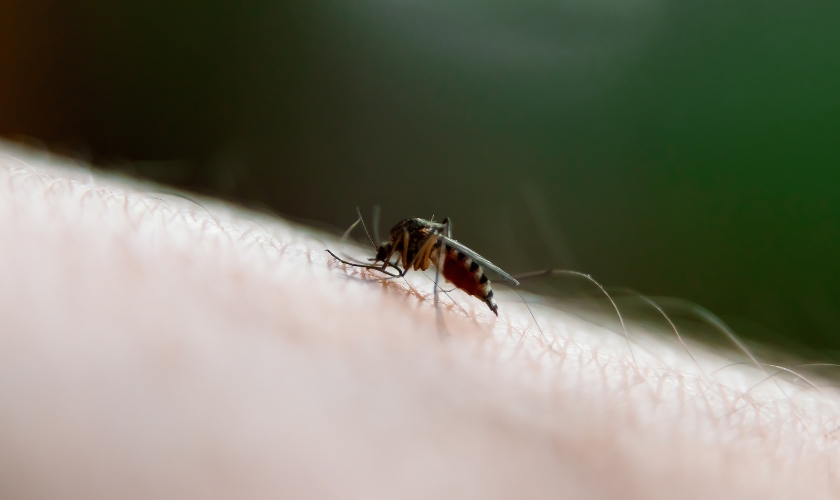
Mosquitoes in Lexington do not need a lake to breed. All they need is standing water that sits long enough for eggs to hatch and larvae to develop. Stormwater ponds, detention basins, clogged yard drains, and low spots in landscaping all can hold that water after a rain. Understanding how the city’s drainage system works and how a typical yard interacts with it helps you see why some properties stay itchy long after the storm has passed. Targeted mosquito control in Lexington starts with the areas that provide mosquitoes with the conditions they need to thrive.
Female mosquitoes lay eggs in still or slow water. Many common species can complete development from egg to adult in a little over a week when temperatures are warm. That timeline for mosquito activity in Central Kentucky is from late spring through early fall, when afternoon storms are frequent and nights stay mild enough for adults to remain active.
Why Lexington Moves Stormwater the Way It Does
Lexington sits on karst terrain. Rain that hits pavement, roofs, and compacted lawns does not soak in the way it would on open pasture. Instead, it runs to curbs, inlets, pipes, ditches, and constructed ponds. The city’s storm sewer system is separate from the sanitary sewer. Stormwater is not sent to a treatment plant. It is collected and discharged into local creeks and designed basins so streets and yards do not stay flooded.
Those designed basins are doing real work. Detention basins hold runoff for a short period and release it slowly. Retention ponds and wetland cells hold a permanent pool. Both types show up around neighborhoods, commercial lots, and parks across Fayette County. You will also find smaller features closer to homes: culverts under driveways, backyard swales, French drains, and the downspout that used to dump onto a splash block and now dumps into a buried pipe.
Watersheds such as Town Branch and Wolf Run collect a large share of urban runoff from central and southwest Lexington. Hard surfaces cover a high percentage of some of those drainage areas, so a short, heavy rain can fill pipes and basins quickly. After the peak passes, water is supposed to drop. When an outlet is blocked, a pond is silted in, or a yard drain has no place to go, the leftover pool becomes the part that matters for mosquitoes.
Stormwater Ponds Can Help Drainage and Still Breed Mosquitoes
A healthy pond with moving water, steep enough banks, and a working outlet is a poorer mosquito nursery than a stagnant puddle. The trouble starts when a pond stops behaving like a pond that drains. Silt builds up at the forebay. Cattails and algae form a thick fringe where water barely moves. A trash rack on the outlet clogs with leaves. After that, shallow edges can sit still for days.
Homeowners who live next to an HOA or city basin often notice the difference after a stretch of humid weather. Adults rest in tall grass and shrubs around the bank during the day and move into nearby yards at dusk. That does not mean the pond is the only source. It does mean a neglected basin can add a steady supply of adults to the edge of a neighborhood.
Not every pond on a map is a public facility. Some older subdivisions have small dry basins that only hold water after storms. If the low point stays wet between rains because the soil is compacted or the outfall pipe is crushed, that “dry” basin functions like a large birdbath. The same is true of ornamental backyard ponds with failed pumps and of rain gardens that were planted without an overflow path.
Drainage Problems Closer to the House
Most mosquito complaints tied to a single property come from water that never reaches a named creek. Gutters that overflow behind a downspout, a low corner of the yard that holds a sheet of water, a clogged pop-up emitter, and a saucer under a pot are all enough. So are corrugated drain lines that sag and hold a pool inside the pipe, window wells with no drain, and recycling bins that collect rain under a loose lid.
Yard and landscaping features that hold water
- Low spots where the lawn was regraded after a project and never sloped away from the house
- Mulch basins and decorative rock beds that trap water against the foundation
- Flexible drain pipe that has flattened under soil or a walkway
- Poorly graded sidewalk or patio edges that create a shallow trough
- Tire swings, tarps, toys, and equipment covers left outside
- Birdbaths, unused fountains, and pet water bowls that are not emptied often
Kentucky clay soils make some of these spots worse. After the ground is saturated, extra rain sits on the surface instead of sinking. A yard that looks fine in a dry July can hold water for days after a series of August storms. That is long enough for larvae if the pool is still and shaded.
Curb inlets and roadside ditches matter too. Leaves packed against a grate turn the gutter into a long, narrow pool. A roadside ditch that was meant to move water can stall behind a driveway culvert full of sediment. Those features sit at the public edge of a lot, but the adults that emerge from them still rest in the nearest shrubs.
How Landscaping Changes the Picture
Dense groundcover, overgrown shrubs against the house, and uncut grass along a fence line do not create larvae. They do give adult mosquitoes a cool, humid place to wait out the heat of the day. When those plants sit next to a wet basin or a chronic puddle, the yard becomes both a nursery and a resting site.
Irrigation can undo good drainage. A zone that runs every morning on an already wet corner of the yard keeps that corner in mosquito range even when the weather has been dry. Soaker hoses left running in a bed, leaking hose bibs, and air-conditioner condensate that drips into a clogged tray all add small, reliable water sources. Those sources are easy to miss because they do not look like a pond.
Tree cover around older Lexington lots adds shade that slows evaporation. That is pleasant for people. It also keeps a shallow puddle intact longer. If you have a large tree and a slight depression under the canopy, check that spot a day or two after rain before you assume the yard dried out.
Seasonal Timing in Central Kentucky
Mosquito pressure here is not limited to one holiday weekend. Warm stretches in late spring start the first generations. Summer storms reset standing water again and again. Mild nights in September can keep adults active well after kids are back in school. A dry spell will cut numbers down. The next series of storms can bring them back if the same low spots refill.
Because development can finish in a week or so during hot weather, dumping water once and forgetting it is not enough. The same birdbath or clogged gutter can produce a new batch after the next rain. That is why a weekly walk of the property during mosquito season is more useful than a single spring cleanup.
Practical Steps That Reduce Breeding on Your Property
- Walk the yard two days after a rain and empty or drain anything still holding water.
- Keep gutters clear and confirm that downspouts discharge onto sloped ground or into a drain that actually flows.
- Regrade or fill chronic puddles where you can do so without sending water toward a neighbor or the foundation.
- Clear leaves from window wells, drain grates, and the area around a pop-up emitter.
- Run ornamental pumps continuously during warm months or drain the feature if the pump is offline.
- Trim tall grass and dense shrubs near known wet spots so adults have fewer resting sites next to doors and patios.
- Talk with an HOA or the appropriate city contact if a shared basin stays stagnant, smells, or has a blocked outlet you cannot reach from your lot.
These steps cut the number of mosquitoes that start on your property. They will not stop every adult that rides in from a nearby basin or a neighbor’s neglected pool. That is a normal limit of yard-level work in an urban watershed, not a sign that the steps were wasted.
What Professional Mosquito Service Can Address
A technician can inspect the same wet features you can see and also check places that are easy to overlook: the underside of a deck, the rim of a crawl space, corrugated pipe inlets, and the edge of a small basin that sits just off the property line. Treatment plans vary by site. Some properties need help reducing standing water. Others need treatment of resting sites around the yard during the months when adults are active. X-iT offers mosquito control as a defined service alongside general residential pest work, with seasonal timing that follows warm-weather activity rather than a one-day spray and a hope that the problem is finished.
No honest program can promise that a treated yard will never see another mosquito. Adult mosquitoes can fly to your yard from other areas. New water appears after the next storm. The useful goal is fewer breeding sites on the property and fewer adults resting in the landscaping you actually use. The good news is that high-quality professional help can significantly reduce the number of mosquitoes in your yard.
If stormwater ponds, sluggish drains, or landscaping around your Lexington home are keeping mosquitoes in the yard, X-iT Pest & Wildlife Solutions can inspect the property and outline a plan that addresses what is holding water there. Contact us to request an inspection before the next stretch of warm, wet weather keeps the cycle going.