
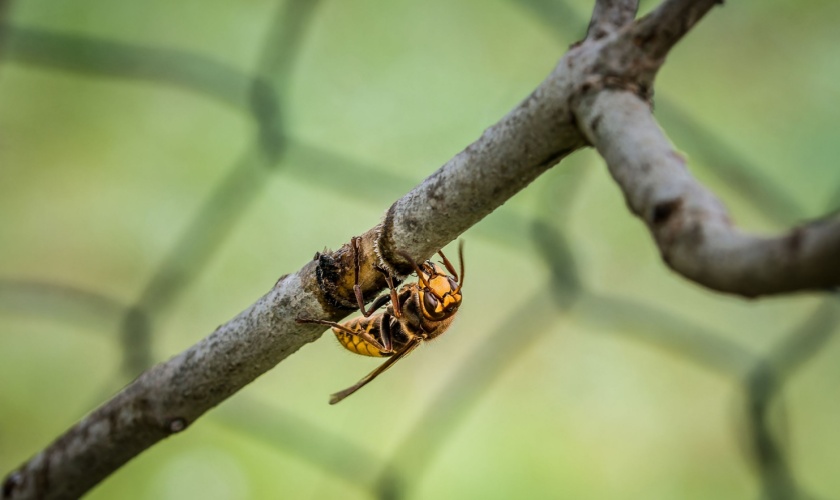
Seasonal weather shifts in Central Kentucky don’t just affect lawns and gardens—they directly shape the behavior of stinging insects like wasps and hornets. Homeowners in Lexington often notice sudden spikes in activity during certain months, and the reason is tied to how these insects respond to temperature, humidity, and seasonal cycles.
Spring: Nest Building Begins
As Lexington shakes off the chill of winter, wasps and hornets begin their annual cycle with nest construction. Queens emerge from hibernation and immediately search for sheltered areas to establish colonies. Eaves, attics, sheds, and even playground structures become prime real estate. The mild temperatures and increasing daylight hours give them the energy to start laying eggs, and homeowners often notice small paper‑like nests forming in corners or under rooflines.
This stage is deceptively quiet, but it sets the foundation for the months ahead. A single queen can produce dozens of workers by early summer, meaning that ignoring nests in spring can lead to larger infestations later. Preventive action during this season—sealing entry points and removing early nests—is one of the most effective ways to reduce seasonal wasp problems in Lexington before they escalate.
Summer: Peak Aggression and Infestations
By the time Kentucky’s summer heat arrives, colonies are thriving. Nests expand rapidly, sometimes reaching hundreds of workers, and the insects become highly territorial. This is why wasp activity in Lexington KY weather feels most intense in July and August. Outdoor gatherings, barbecues, and poolside afternoons often attract wasps and hornets, since sweet drinks and food scraps mimic natural nectar sources.
Aggression peaks during this season, making encounters more dangerous. Workers defend nests fiercely, and stings are more likely when people unknowingly approach nesting sites. For families enjoying summer outdoors, this is the time when professional inspections and treatments are most critical. Ignoring nests during summer can quickly turn patios, decks, and gardens into hazardous zones.
Fall: Food Scarcity Drives Risky Behavior
As temperatures cool, colonies begin to decline, but desperation sets in. Wasps and hornets shift their focus from nest expansion to food scavenging. Trash bins, fruit trees, and compost piles become hotspots for activity. This explains why hornet behavior and weather changes in Kentucky is most noticeable in autumn—the insects are hungrier, more persistent, and more likely to invade human spaces.
Their erratic behavior during fall often catches homeowners off guard. While colonies are shrinking, the remaining workers are unpredictable and aggressive. This is also the season when stings increase around outdoor events like football games or harvest festivals. Addressing infestations before fall ensures fewer encounters when wasps and hornets are at their most desperate.
Winter: Dormancy and Hidden Threats
Lexington winters bring a temporary reprieve, as most colonies die off with the cold. However, queens survive by hiding in protected spaces such as attics, garages, or wall voids. While activity seems to vanish, these overwintering queens are already preparing to restart the cycle once spring arrives. Homeowners often underestimate this stage, assuming the problem has disappeared entirely.
The hidden threat of winter is that untreated entry points allow queens to settle indoors. When spring returns, these queens emerge ready to rebuild, often in the same structures they occupied before. Preventive sealing and inspections during winter are crucial to stop infestations before they restart. Ignoring winter dormancy can mean facing larger colonies the following year, especially after mild winters that allow more queens to survive.
Weather‑Driven Wasp Defense for Lexington Homes
Kentucky’s shifting weather patterns dictate when wasps and hornets build nests, swarm, and become aggressive. By anticipating how spring warmth, summer heat, autumn scarcity, and winter dormancy fuel their behavior, homeowners can take proactive steps to reduce risks before infestations escalate. Acting early—whether it’s sealing entry points or scheduling inspections—is far more effective than waiting until colonies reach full strength.
At X‑iT Pest and Wildlife Solutions, we provide safe, targeted hornet control Lexington KY and wasp removal designed around Lexington’s seasonal challenges. Our approach goes beyond simple extermination—we tailor solutions to the way Kentucky’s climate fuels stinging insect behavior, ensuring nests are eliminated and future infestations are prevented. With expert inspections, proven exclusion methods, and treatments that prioritize safety, we help homeowners stay ahead of wasp and hornet activity no matter how the weather shifts.
Contact X‑iT Pest and Wildlife Solutions today to schedule your inspection and keep your home safe from stinging insects year‑round.