
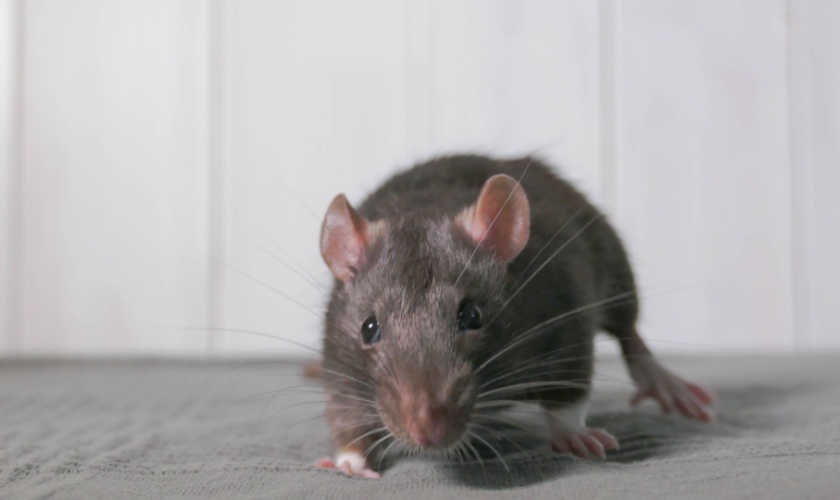
When Kentucky’s winter cold settles in, you’re not the only one seeking warmth and comfort—mice, rats, and cockroaches are desperately searching for the same. Lexington’s winter climate creates the perfect conditions that drive these pests from outdoor environments into your home. Understanding what makes your home attractive during cold months and how these pests successfully infiltrate helps you protect your family and property. Professional rodent control services provide targeted solutions that address both the pests themselves and the conditions that attract them to your Lexington home.
Lexington’s Winter Climate: The Pest Perspective
Lexington experiences a humid subtropical climate with distinct winter seasons. January and February temperatures typically range from 24°F to 42°F, with occasional dips into the teens and periodic snow and ice events.
For pests, these conditions are life-threatening:
Mice and rats can’t survive prolonged exposure to temperatures below 50°F without shelter. Cockroaches become sluggish and vulnerable to predators in cold weather Food sources freeze, become buried, or otherwise disappear outdoors water sources ice over, making hydration difficult
Your heated home offers everything these pests need: temperatures above 65°F, accessible food, reliable water, and protection from predators and the elements.
Why Rodents Can’t Wait Out Winter
Unlike bears or groundhogs, mice and rats don’t hibernate. Their small size and high metabolic rates mean they must eat constantly—up to 20 times daily for mice—regardless of season.
Outdoor Food Becomes Scarce
During warmer months, rodents feast on:
- Fallen seeds from trees and plants
- Insects and grubs
- Garden vegetables and fruits
- Natural vegetation
- Birdseed from feeders
- Pet food left outside
Winter eliminates most of these options. Snow covers fallen seeds, insects die or go dormant, gardens are harvested, and vegetation dies back. Even bird feeders, while still present, offer limited nutrition compared to the rodents’ needs.
Your Pantry Becomes Irresistible
Rodents can detect food through walls and sealed packaging. They’re attracted to:
- Grains, cereals, and pasta in pantries
- Pet food stored in bags (even “sealed” ones)
- Fruits and vegetables in storage
- Crumbs and spills on kitchen surfaces
- Garbage that isn’t in sealed containers
- Birdseed or livestock feed in garages and sheds
Once they locate these food sources, rodents will gnaw through drywall, wood, and even soft metals to access them.
Why Winter Infestations Are So Problematic
Delayed Detection
Pests that enter your home in late fall or early winter often remain undetected for weeks or months because:
- They stay hidden in walls, attics, and crawl spaces initially
- You’re spending less time in basements and garages where they first appear
- Small populations don’t create obvious signs
- Winter holidays and activities distract from minor warning signals
By the time you notice droppings, sounds, or actual sightings, you likely have a well-established infestation.
Accelerated Indoor Breeding
The same comfortable conditions that protect you from winter cold create ideal breeding environments for pests. Without outdoor predators, weather mortality, or seasonal breeding limitations:
- Rodent populations can explode from a few individuals to dozens
- Cockroach egg cases hatch successfully at higher rates
- Multiple generations overlap, creating population surges
Limited Escape Routes
Outdoor pests have vast territories to disperse into during warmer months. Winter-trapped indoor pests have nowhere to go, meaning:
- Population density in your home increases rapidly
- Competition for resources drives pests into living spaces
- Pest behavior becomes bolder as they explore more areas
- Contact with humans and contamination of living spaces increases
When to Call Professionals
DIY efforts often fall short against winter pest problems because:
- Entry points are difficult to locate without professional experience
- Effective treatment requires specialized products and equipment
- Pests are already inside, requiring different strategies than outdoor prevention
- Multiple entry points may exist, and missing even one allows continued access
Professional pest control provides:
- Comprehensive property inspections identifying all vulnerabilities
- Targeted treatment of active infestations
- Exclusion work to prevent future entry
- Ongoing monitoring to ensure problems don’t recur
Don’t let mice, rats, and roaches make your Lexington home their winter refuge. The longer these pests remain inside, the more they reproduce and the more damage they cause. Contact X-iT Pest & Wildlife Solutions today for a thorough inspection and customized treatment plan that protects your home from unwanted winter guests.