
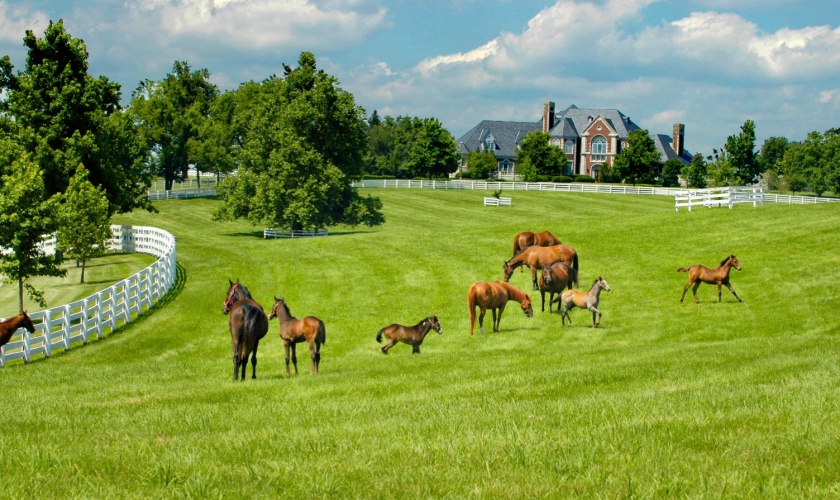
Central Kentucky is famous for its horse farms, and the rolling pastures of the Bluegrass region are a defining part of life around Lexington. Those same farms, however, can influence pest activity in the neighborhoods around them. The conditions that support horses, including feed, water, and manure, also create habitat for several common pests, and homes near these properties sometimes notice the effects. Understanding the connection helps homeowners take the right steps and know when professional pest control is worthwhile.
Why Farms and Pests Go Together
Working farms provide a steady supply of the three things pests need most: food, water, and shelter. Grain and feed offer an abundant food source, water troughs and ponds provide moisture, and barns, sheds, and pastures create shelter. Manure adds another rich resource that supports insect life. None of this is a sign of a poorly kept farm; it is simply the nature of any property that houses animals. The result is that farms can act as a reservoir of pest activity, and nearby neighborhoods may see some of that activity spill over onto their own properties, particularly during the warmer months.
Flies Are the Most Common Connection
Flies are the pest most closely associated with horse farms. Manure and decaying organic matter are ideal breeding grounds for house flies, stable flies, and other species, and a single farm can produce large numbers of them during the warm months. Because flies travel easily, homes downwind or nearby can experience increased fly activity even without any source of their own. Keeping trash sealed, cleaning up pet waste, and addressing outdoor food sources helps, and professional fly control can address heavier problems.
Mosquitoes and Standing Water
The water features common to horse farms also contribute to mosquito activity. Troughs, ponds, irrigation runoff, and low, damp areas of pasture all provide standing water where mosquitoes breed. Since adult mosquitoes can travel a considerable distance from where they hatch, homes near farms with standing water may notice heavier mosquito activity than they would otherwise. This regional source is one reason mosquito problems around Lexington can be more persistent than a homeowner’s own yard would suggest.
Rodents Around Feed and Grain
Stored feed and grain are a powerful draw for rodents, and barns and outbuildings on farms often support mice and rats. As these populations grow, rodents range outward in search of new territory and food, and homes at the edge of a farm can become a target, especially as cooler weather sets in. This is one way rodent activity in a neighborhood can trace back to a nearby agricultural property, and it is a reason homes in these areas benefit from attention to rodent entry points.
Wildlife Drawn to Farm Environments
Farms also attract wildlife, including raccoons, opossums, skunks, and birds, all of which are drawn to feed, water, and shelter. As these animals move between farm properties and residential areas, they can become nuisance visitors in nearby yards, getting into trash, gardens, and outbuildings. X-iT Pest & Wildlife Solutions handles wildlife control and removal in addition to insect and rodent pests, which is helpful for homes that sit near working farms.
What Homeowners Near Farms Can Do
Homeowners who live near horse farms can reduce spillover pest activity with a few practical measures:
- Eliminate standing water around the home to limit mosquito breeding.
- Keep trash, pet food, and compost sealed to avoid attracting flies, rodents, and wildlife.
- Seal gaps and entry points to keep rodents and insects out.
- Keep landscaping trimmed and clutter cleared to reduce shelter near the home.
- Address any fly or rodent activity early before it becomes established.
These steps help, but a home near a consistent outside source of pests often benefits from ongoing professional treatment.
How Professional Pest Control Helps
Because homes near farms face pest activity from an outside source they cannot control, maintaining a strong barrier around the property is especially important. X-iT Pest & Wildlife Solutions understands the pest dynamics of the Bluegrass region and treats both the insects and the wildlife that farm environments attract. A year-round plan keeps the perimeter protected so that spillover from a neighboring property does not turn into a recurring problem inside the home.
Lexington-area homeowners who live near horse farms and notice ongoing pest activity can contact X-iT Pest & Wildlife Solutions for a free inspection. A local technician can evaluate how nearby farm conditions may be affecting the property and recommend a plan to keep pests at bay.