
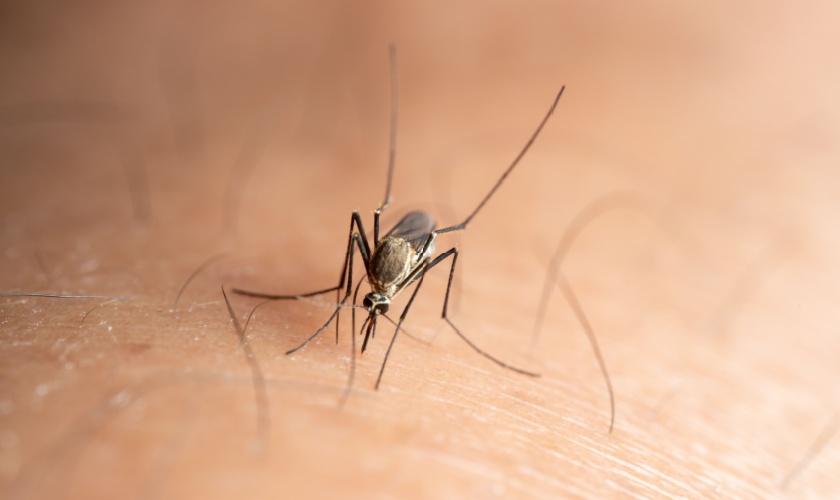
Kentucky’s sticky summer air does more than make evenings uncomfortable—it creates the perfect breeding ground for mosquitoes. The moisture in the atmosphere, combined with warm temperatures, accelerates their growth and keeps them active longer. For homeowners, this means that the climate itself is the reason mosquito infestations become such a stubborn seasonal problem.
Longer Lifespans in Muggy Air
Mosquitoes are delicate insects in most environments, but Kentucky’s muggy air changes their survival odds. In drier regions, they lose water rapidly through evaporation, which shortens their lifespan and limits their activity. Here, the heavy moisture in the atmosphere slows that process, giving mosquitoes the ability to remain active for longer stretches of time. This is why residents often notice swarms lingering well into the evening when the air feels thick and damp.
An extended lifespan means more opportunities for mosquitoes to feed and reproduce. A single female can lay hundreds of eggs during her lifetime, and in Kentucky’s climate, that lifetime is prolonged. The result is a multiplying effect: more bites, more breeding cycles, and ultimately, more mosquitoes filling neighborhoods and backyards. This cycle explains why mosquito problems in Kentucky summers feel so relentless compared to areas with less humidity.
Longer survival increases the risk of disease transmission. Mosquitoes that live beyond their typical span have more chances to bite multiple hosts, raising the likelihood of spreading illnesses. For homeowners, this means the muggy air doesn’t just make mosquitoes more persistent—it makes them more dangerous. The climate itself amplifies the threat, reinforcing the need for consistent prevention and professional Lexington mosquito control services to keep families safe.
Breeding Sites That Don’t Dry Out
Moisture in Kentucky’s climate lingers far longer than in drier states, and that persistence transforms ordinary spaces into mosquito nurseries. Puddles left behind after rainstorms, damp soil in shaded corners, and water trapped in containers all remain viable for larvae because evaporation is slowed. This is why infestations often spike after summer storms—the environment holds onto water just long enough for mosquitoes to reproduce.
Even small pockets of water become a problem. A clogged gutter or a flowerpot saucer may seem insignificant, but in Kentucky’s humid conditions, they provide the perfect setting for mosquito eggs to hatch. Homeowners often overlook these areas, not realizing that the climate itself is keeping them damp and usable for days. This connection between Kentucky humidity and mosquitoes explains why infestations can feel unavoidable without consistent monitoring.
The persistence of these breeding sites makes prevention more challenging. Unlike regions where water dries quickly, Kentucky homeowners must be proactive in eliminating moisture before larvae develop. That means regular inspections, cleaning, and drainage improvements. Without these steps, the humid climate ensures mosquitoes will continue to find places to thrive, turning backyards into breeding grounds season after season.
Everyday Items That Become Mosquito Havens
Kentucky’s climate transforms ordinary household and yard items into unexpected mosquito magnets. These overlooked spaces hold onto moisture longer than most homeowners realize, giving mosquitoes the perfect conditions to reproduce:
- Bird baths that aren’t refreshed often enough, turning decorative features into breeding pools.
- Children’s toys like buckets, wagons, or playsets that trap rainwater after storms.
- Tarp covers stretched over grills, pools, or equipment where condensation collects in folds.
- Low lawn spots that stay soggy for days, especially in shaded areas with poor drainage.
- Old tires stacked or discarded, their shape perfectly designed to hold water indefinitely.
- Flower pots and saucers where excess rainwater lingers beneath plants.
- Clogged gutters packed with leaves and debris that trap hidden pockets of moisture.
- Pet bowls left outdoors that collect rainwater when not in use.
- Outdoor furniture with hollow frames or cushions that absorb and retain dampness.
Each of these examples shows how Kentucky’s humid climate turns everyday items into reliable breeding zones, fueling summer mosquito infestations right in homeowners’ backyards.
Health Risks Rise With Climate Conditions
The longer mosquitoes survive, the more opportunities they have to bite. Kentucky’s climate doesn’t just increase mosquito numbers—it raises the risk of mosquito‑borne illnesses. This is why humid climate mosquito activity is a serious concern for families across the state.
In addition to the nuisance of itchy bites, mosquitoes in Kentucky’s humid environment can carry diseases such as West Nile virus and other pathogens that spread more easily when populations surge. Extended lifespans and rapid breeding cycles mean more chances for transmission, turning what might seem like a minor backyard problem into a genuine public health issue. For homeowners, this underscores the importance of treating mosquito control not just as comfort but as protection for their household’s well‑being.
Prevention Becomes a Constant Battle
Mosquito prevention in Kentucky is never a one‑time fix. The humid air and lingering moisture mean new breeding sites can appear almost overnight—puddles after a storm, shaded corners that never dry, or gutters that trap hidden water. Even small lapses in maintenance can give mosquitoes the opening they need to surge back, making prevention feel like an endless cycle. Staying ahead requires steady effort: draining water, clearing debris, and checking overlooked spots where larvae thrive.
Yet even with consistent care, the climate often outpaces DIY solutions. Professional support makes the difference by targeting the problem at its source. X‑iT Pest and Wildlife Solutions inspects properties thoroughly, identifies breeding zones sustained by Kentucky’s humidity, and applies treatments designed to break the cycle. Our service is backed by guarantees, so if mosquitoes return, we return too—keeping your yard livable through the muggiest months.
Contact X‑iT Pest and Wildlife Solutions today to stop humidity‑driven mosquito infestations before they take over your yard.