
As winter loosens its grip on Lexington and the first warm days of early spring arrive, you might breathe a sigh of relief that cold weather pest problems are behind you. Unfortunately, the transition from winter to spring brings its own unique pest challenges. Even before temperatures consistently rise above 50°F, various pests become active, emerge from overwintering sites, or begin their breeding cycles—often catching homeowners off guard. Understanding what to expect during these transitional weeks in late February and March allows you to prepare and protect your home proactively. Professional residential pest control services provide early spring treatments that prevent emerging pest populations from establishing themselves in and around your Lexington home.
Overwintering Insects Emerge
Several insect species spent winter hiding in your attic, wall voids, or crawl space. As daylight hours increase and occasional warm days arrive, these pests become active—and they’re often trying to exit your home, leading to indoor sightings.
Stink Bugs
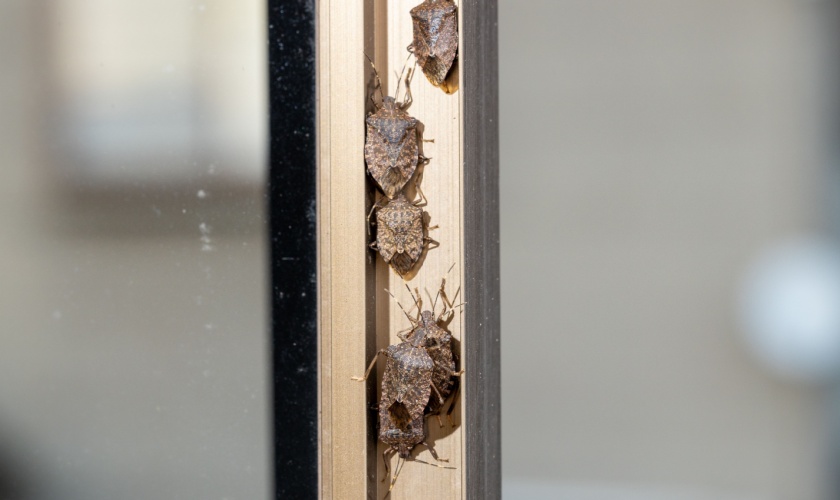
Brown marmorated stink bugs are particularly problematic during early spring in Lexington. These shield-shaped insects entered your home in fall and remained dormant through winter. As temperatures rise, even slightly, they awaken and attempt to exit.
What to expect:
- Bugs appearing on walls, ceilings, and windows
- Concentration near sunny, south-facing windows
- Buzzing flight patterns as they search for exits
- Peak emergence during the first warm days of late February and March
These insects don’t reproduce indoors or cause damage, but they’re a nuisance in large numbers. Crushing them releases their unpleasant odor, making removal frustrating.
Asian Lady Beetles
Similar to stink bugs, Asian lady beetles overwinter in structures and emerge in early spring. Unlike beneficial native ladybugs, these imported beetles:
- Congregate in large numbers
- May bite when handled (a pinch, not a dangerous bite)
- Release a foul-smelling yellow fluid when threatened
- Create staining on walls and fabrics
You’ll find them clustering around windows and light fixtures as they seek escape routes.
Boxelder Bugs and Cluster Flies
These pests also overwinter in structures and become active during early spring warm spells. While harmless, they appear in numbers that alarm homeowners who thought winter had eliminated their pest problems.
Ant Colonies Spring to Life
Ant colonies that remained relatively inactive during winter become highly active in early spring as they prepare for their breeding season.
Carpenter Ants
Carpenter ants are one of the earliest active pests in spring. On sunny late-winter days when temperatures reach the low 50s, you might see:
- Large black ants inside your home
- Winged reproductive ants (swarmers) emerging from walls or ceilings
- Increased activity near wooden structures
- Sawdust-like frass near wood they’re excavating
Seeing carpenter ants in early spring often indicates they overwintered inside your home’s structure—a sign of an established colony that requires professional attention.
Pavement Ants and Odorous House Ants
These species also increase activity in early spring:
- Creating small dirt mounds in driveway and sidewalk cracks
- Forming trails into homes through foundation cracks
- Establishing new satellite colonies
- Beginning their breeding cycles
Termite Swarms Begin
While termites cause the most visible damage during summer, their reproductive cycle begins in early spring. Lexington experiences termite swarms typically starting in March, depending on temperature patterns.
Signs of early termite activity:
- Winged termites appearing near windows on warm, rainy days
- Discarded wings on windowsills or floors
- Mud tubes on foundation walls becoming fresh and moist
- Increased activity in wood they’ve been consuming
Early spring termite swarms often catch homeowners by surprise. If you see winged termites indoors, they’re emerging from a colony within or directly beneath your home—not flying in from outside.
Rodent Breeding Intensifies
Mice and rats that entered your home during winter begin their spring breeding cycle. A pair of mice that infiltrated in November could have produced several generations by March, with pregnant females preparing to deliver new litters.
Signs of spring rodent population increases:
- More frequent sounds of activity in walls and ceilings
- Increased droppings in previously affected areas
- Young rodents venturing into living spaces
- Damage to food stores and nesting materials
Spring is crucial for rodent control—eliminating populations now prevents exponential summer growth.
Mosquitoes and Standing Water
Even before temperatures consistently warm up, early-emerging mosquito species begin breeding in standing water. Late winter rains combined with snowmelt create ideal breeding conditions.
Wasps and Stinging Insects Wake Up
Queen wasps and hornets that survived winter in protected locations become active on the first warm days. These queens search for:
- Suitable nesting locations
- Food sources to build energy
- Shelter from remaining cold nights
Where queens investigate:
- Attic vents and soffits
- Roof overhangs and eaves
- Porch ceilings
- Shed and garage rafters
- Tree branches and bushes near homes
A queen wasp you see in March is looking for a place to establish a colony that will house thousands of workers by summer. Preventing nest establishment now saves major problems later.
Fleas Emerge from Winter Dormancy
If you had flea problems last fall, don’t assume winter killed them all. Flea pupae can survive winter in carpets, bedding, and outdoor protected areas. Spring warmth triggers hatching, causing sudden flea population explosions.
Early spring flea prevention:
- Vacuum thoroughly, especially pet resting areas
- Wash pet bedding in hot water
- Begin flea prevention treatments for pets
- Treat outdoor areas where pets spend time
Wildlife Becomes More Active and Bold
While technically not insects, wildlife deserves mention in early spring pest considerations. As animals emerge from winter dens and begin seeking mates and nesting sites:
- Raccoons search for denning sites to raise kits, often choosing attics and chimneys
- Squirrels become highly active, chewing into structures to access nesting sites
- Opossums seek shelter and food, investigating garages and crawl spaces
- Skunks emerge from winter sleep and may den under decks and sheds
Prevention Strategies for Early Spring
Exterior Preparations
- Seal entry points before pests become mobile
- Inspect weatherstripping on doors and windows
- Check foundation vents for damage
- Trim vegetation away from your home’s exterior
- Remove debris where pests overwinter
- Address moisture issues before they attract pests
Interior Preparations
- Vacuum thoroughly to remove overwintering insects
- Check attics and crawl spaces for pest evidence
- Inspect stored items for damage or nests
- Clean up food sources that attracted winter pests
- Fix any winter damage that created new entry points
Why Early Spring Treatment Matters
Pest populations are at manageable levels in early spring. Treating now:
- Prevents overwintering insects from establishing outdoor colonies
- Eliminates ant colonies before they produce swarmers
- Addresses rodent populations before spring breeding
- Stops queen wasps before colonies develop
- Reduces termite swarm success rates
- Manages mosquito populations before explosion
Waiting until problems become obvious in late spring or summer means dealing with established, large populations that require more intensive treatment.
Professional Early Spring Pest Control
Professional pest control in early spring provides:
- Comprehensive inspection identifying overwintering pests
- Exterior barrier treatments before pests emerge
- Targeted treatments for specific early-active species
- Preventive measures stopping spring breeding cycles
- Expert identification of conducive conditions
- Customized treatment plans for your property
Early spring is the most important time for preventive pest control. Don’t wait until you’re dealing with full-blown infestations. Contact X-iT Pest & Wildlife Solutions today to schedule your early spring pest inspection and treatment, protecting your Lexington home before pest populations explode.