
As temperatures drop and you’re focused on holiday preparations and winter comfort, pest control probably isn’t top of mind. Many Lexington homeowners assume that cold weather eliminates pest problems, leading them to cancel or postpone their pest control services until spring. However, this common misconception can leave your home vulnerable to serious infestations. Understanding pest behavior during Kentucky winters helps you make informed decisions about protecting your home. Year-round residential pest control provides continuous protection that prevents small issues from becoming major problems.
The Truth About Pests in Winter
The idea that pests disappear during cold weather is a myth. While some insects do die off or become dormant, many common household pests remain active throughout Lexington’s winter months. In fact, some pest problems actually intensify during winter because:
- Pests seek indoor shelter: Your heated home becomes increasingly attractive as outdoor temperatures drop. Pests that might have lived contentedly in your yard during summer will actively try to move indoors when cold weather arrives.
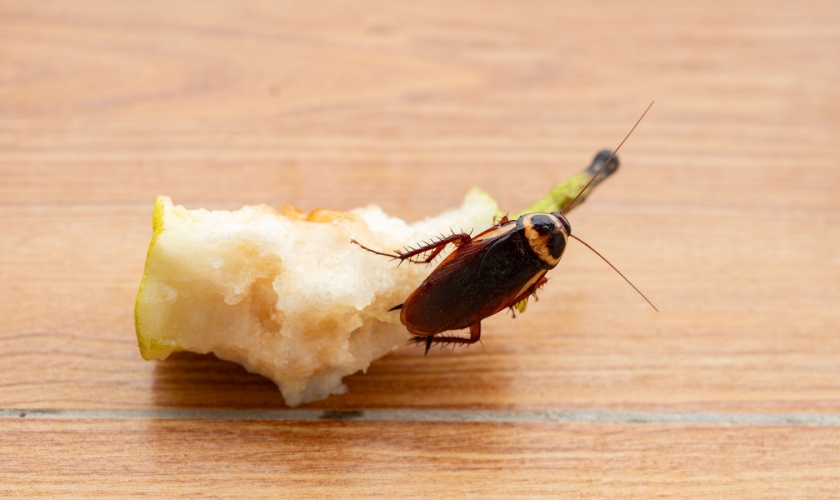
- Indoor breeding continues: Once inside your temperature-controlled home, many pests maintain their reproductive cycles year-round. A cockroach infestation that starts in November can explode in size by February.
- Detection becomes more difficult: Pests that infiltrate during fall and early winter often establish themselves in hidden areas—attics, wall voids, and crawl spaces—where they remain undetected until populations grow large enough to become visible in living spaces.
Why Continuous Protection Matters
Prevention Is More Effective Than Reaction
Regular pest control treatments create barriers that prevent infestations before they start. By the time you see pests in living areas, you likely have a well-established population that requires more intensive (and expensive) treatment.
Winter pest control visits allow technicians to:
- Seal entry points before pests exploit them
- Treat exterior barriers during seasonal windows of opportunity
- Monitor for early signs of pest activity
- Address minor issues before they become major infestations
Winter Treatments Target Vulnerable Populations
Pest control during winter is actually highly effective because:
- Pests congregate in predictable locations
- Fewer outdoor variables affect treatment efficacy
- Reduced pest reproduction in some species makes population control more manageable
- Treated pests have fewer places to escape to, increasing treatment success rates
Year-Round Service Plans Provide Better Value
Quarterly pest control plans don’t just provide four individual treatments—they offer continuous monitoring and protection. When you maintain service through winter:
- Technicians become familiar with your property’s specific vulnerabilities
- Seasonal treatments build on previous visits for compounding effectiveness
- You avoid the surge in pest activity that hits homes without winter protection
- Emergency treatments become unnecessary, saving you money
What Winter Pest Control Includes
Professional winter pest control services typically involve:
Exterior perimeter treatments that create barriers even in cold weather Interior targeted treatments in problem areas like kitchens, bathrooms, and basements Entry point identification and sealing to prevent new pest infiltration Attic and crawl space inspections where overwintering pests congregate Rodent monitoring and control with strategic trap or bait placement Follow-up services if pest activity persists between scheduled visits
Special Considerations for Lexington’s Climate
Kentucky’s winter weather creates unique pest control challenges:
Temperature fluctuations allow some pests to remain more active than in consistently cold climates. Freeze-thaw cycles can create new cracks and gaps in your home’s foundation Prolonged indoor heating creates ideal conditions for certain pests to thrive Winter precipitation may drive additional pests seeking dry shelter
When to Be Especially Vigilant
Certain situations make winter pest control even more critical:
- You’ve had pest problems in previous years
- Your home has known entry points that haven’t been properly sealed
- You live near wooded areas, streams, or older buildings
- Your home has a basement, crawl space, or attached garage
- You store food products, pet supplies, or cardboard boxes in vulnerable areas
The Cost of Skipping Winter Service
Homeowners who cancel pest control during winter often discover the decision was penny-wise but pound-foolish:
- A mouse that enters in December can produce 30-35 offspring by spring
- Cockroach infestations that begin in winter require multiple intensive treatments
- Rodent damage to wiring or insulation far exceeds the cost of preventive pest control
- Health issues from pest allergens and contamination can result in medical expenses
Making the Right Decision for Your Home
While some homes in ideal conditions with no history of pest problems might successfully skip winter treatments, most Lexington properties benefit from year-round protection. Consider your specific situation:
- How old is your home?
- What pest issues have you experienced in the past?
- How well-sealed is your home’s exterior?
- Are there conducive conditions like moisture problems or adjacent wooded areas?
Your pest control provider can help you make an informed decision based on your property’s specific risk factors.
Winter pest problems don’t announce themselves—they develop quietly in hidden spaces until they’re difficult to ignore. Maintaining your pest control service through the cold months protects your investment in your home and your family’s health. Contact X-iT Pest & Wildlife Solutions to discuss winter pest control options tailored to your Lexington home’s needs.