
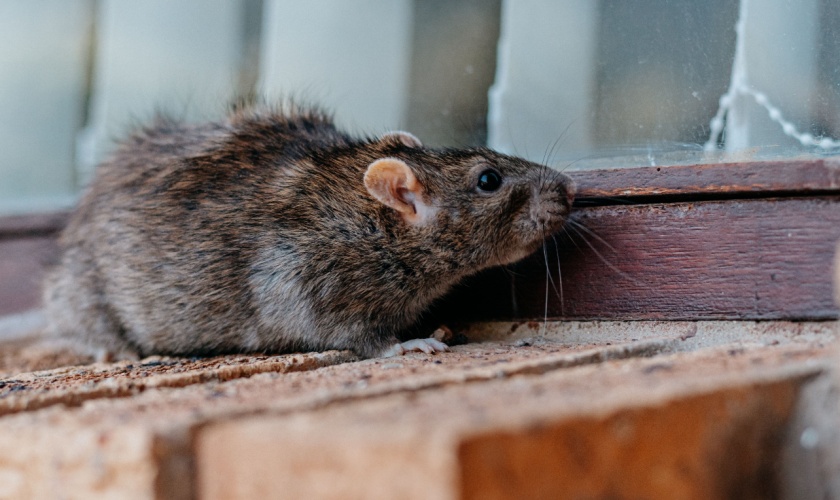
Your home’s exterior has countless small openings that seem insignificant—until you realize that pests use them as doorways during cold Kentucky winters. While you’re cranking up the heat and settling in for the season, mice, insects, and other pests are desperately seeking the warmth and shelter your home provides. Understanding where and how pests gain entry is the first step toward effective exclusion. Professional pest control services include thorough inspections that identify vulnerabilities you might overlook, providing comprehensive protection against winter invaders.
Foundation Cracks and Gaps
Your home’s foundation is the first line of defense against pests, but it’s also one of the most vulnerable areas. Kentucky’s freeze-thaw cycles cause concrete to expand and contract, creating and widening cracks over time.
Common foundation vulnerabilities include:
- Hairline cracks that widen during winter months
- Gaps where foundation meets exterior siding
- Deteriorated mortar joints in brick or stone foundations
- Settlement cracks that develop as homes age
- Openings around basement window wells
Mice need only a quarter-inch opening to squeeze inside—about the width of a pencil. Insects require even less space. A crack that seems too small to be a problem can provide easy access for numerous pests.
Utility Penetrations
Every pipe, wire, and cable that enters your home creates a potential entry point. These penetrations are necessary for modern living, but they’re often poorly sealed during initial installation or become compromised over time.
High-risk utility entry points:
- Electrical service entrance where main power lines connect to your home
- Air conditioning lines running from outdoor units to interior systems
- Natural gas or propane lines entering basements or crawl spaces
- Cable and phone lines attached to exterior walls
- Outdoor faucet connections and hose bibs
- Dryer vents that must remain functional but create openings
- Exhaust vents for bathrooms, kitchens, and attics
The gaps around these utilities may start small, but temperature changes, vibration, and weathering can enlarge them. Pests are incredibly persistent and will exploit even minor imperfections in sealant or caulking.
Doors: More Vulnerable Than You Think
Doors seem secure, but they’re actually common pest entry points, especially during winter when homes aren’t opened as frequently for fresh air.
Door-related entry points include:
- Gaps under exterior doors where weatherstripping has worn away
- Cracks between door frames and surrounding walls
- Daylight visible around door perimeters when closed
- Damaged door sweeps that no longer make contact with thresholds
- Hollow core doors to garages or basements that insects can penetrate
- Pet doors that remain open or don’t seal properly
Check your doors on cold, windy days. If you can feel air movement around them, pests can enter the same way. Rodents are particularly good at working their way under poorly sealed garage doors.
Window Weaknesses
Windows might seem like secure barriers, but aging materials and installation issues create numerous pest entry opportunities.
Problem areas around windows:
- Gaps between window frames and exterior siding
- Deteriorated caulking that has cracked or pulled away
- Damaged screens with tears or holes
- Spaces where window air conditioners were removed
- Openings around window well covers
- Cracks in window glass or frames themselves
Older windows in Lexington homes are particularly vulnerable, especially if they’ve been painted multiple times without addressing underlying seal issues.
Roof and Attic Vulnerabilities
Your roof and attic provide direct access to the interior of your home, and they’re often neglected during routine maintenance.
Roof-related entry points:
- Roof vents that lack proper screens or have damaged covers
- Soffit vents along roof overhangs
- Ridge vents running along roof peaks
- Gable vents on the triangular ends of roofs
- Plumbing stacks where vent pipes protrude
- Chimney gaps where brick meets roofline
- Damaged or missing shingles that expose roof decking
- Fascia boards that have rotted or separated from rooflines
Squirrels, bats, and birds commonly enter through roof vulnerabilities, while insects like stink bugs and wasps use these openings to access attics where they overwinter.
Garage Entry Points
Attached garages provide pests with a stepping stone to your living spaces. Many homeowners properly seal the exterior of their homes but neglect the garage-to-house connection.
Garage vulnerabilities:
- Gaps under garage doors, especially if the floor is uneven
- Cracks in garage foundation separate from the main house
- Spaces around garage door openers and mechanical systems
- The door connecting garage to living space, often lacking weatherstripping
- Windows in garages that receive less maintenance than house windows
- Wall penetrations for electrical or plumbing that aren’t sealed
Siding and Exterior Wall Gaps
Your home’s siding should create a continuous barrier, but installation imperfections and weathering create opportunities for pests.
Siding-related entry points:
- Corners where siding pieces meet imperfectly
- J-channels around windows and doors
- Spaces behind loose or damaged siding
- Gaps where different materials meet (brick to siding, for example)
- Nail holes that weren’t properly sealed
- Rotted areas where moisture has compromised wood siding
Vinyl siding is particularly prone to gaps at corners and connection points. Older aluminum siding may have shifted or buckled, creating openings.
Crawl Space and Basement Access
Below-ground areas of your home provide easy access for pests seeking shelter from Kentucky’s winter weather.
Underground entry points:
- Crawl space vents that lack proper screens
- Foundation vents that have deteriorated screens
- Bilco door seals on basement entries
- Floor drain covers that don’t fit tightly
- Sump pump discharge line openings
- Bulkhead entries to basements with poor weatherstripping
Landscaping-Created Opportunities
While not structural entry points, landscaping can provide pests with easy access to your home’s vulnerable areas.
Landscaping concerns:
- Trees or shrubs touching your home’s exterior
- Mulch piled against foundation walls
- Firewood stored directly against the house
- Dense vegetation providing cover for pests approaching entry points
- Vines growing on siding that create hiding spots and pathways
Identifying Your Home’s Specific Vulnerabilities
Every home has unique weak points based on:
- Age of construction
- Quality of original workmanship
- Maintenance history
- Local weather exposure
- Additions or renovations
- Type of construction materials
Professional pest control inspections assess all these factors, identifying entry points you might miss and prioritizing sealing efforts for maximum effectiveness.
The Importance of Professional Sealing
While some entry points can be addressed with DIY efforts, comprehensive pest exclusion requires professional expertise:
- Proper materials for different applications
- Knowledge of building codes and ventilation requirements
- Experience identifying less obvious entry points
- Understanding of pest behavior and likely infiltration routes
- Equipment to access difficult areas like high peaks and crawl spaces
Winter is actually an ideal time to address entry points. Pests haven’t yet established large indoor populations, and sealing now prevents spring breeding season infestations.
Don’t wait until you see pests inside your Lexington home. Proactive sealing of entry points provides the most effective, longest-lasting pest control. Contact X-iT Pest & Wildlife Solutions for a comprehensive inspection that identifies and addresses your home’s vulnerabilities before winter pests make themselves at home.