
Not every bug found around UK campus homes is cause for concern, but some are far more likely than others to move indoors. The mix of residential neighborhoods, mature landscapes, and seasonal weather creates opportunities for a variety of insects to stay active nearby. Some become occasional visitors, while others can turn into ongoing household pests. Homeowners seeking Lexington pest control often want to know which insects are most common in the area. Here are some of the bugs you’re most likely to find around UK campus homes.
Ants
Ants are among the most common household pests found around UK campus neighborhoods. Warm weather, nearby landscaping, and easy access to food and water encourage colonies to forage around homes, often entering through tiny cracks around doors, windows, foundations, or utility openings. Once worker ants discover a reliable food source, they leave scent trails that allow more ants to follow the same path indoors. What begins as a few wandering ants can quickly become a steady trail as more workers locate the same entry point and continue traveling between the colony and your home.
While a few ants may not seem like a major concern, visible trails often indicate a much larger colony nearby. Some species can establish nests close to foundations, while others repeatedly return to kitchens, pantries, and bathrooms in search of food or moisture. Without addressing the colony and the conditions attracting it, ant activity often continues despite repeated cleaning or store-bought treatments. Recurring activity in the same locations usually suggests the ants have already established a reliable route that continues to support the colony.
Spiders
Spiders are commonly found around UK campus homes because the surrounding environment provides plenty of insects for them to feed on. Shrubs, mulch beds, garages, basements, attics, and outdoor lighting all create favorable conditions where spiders can build webs or remain hidden during the day before becoming more active at night. Many prefer quiet areas that experience little disturbance, allowing webs to remain undisturbed for longer periods.
Most spiders found in Lexington are not considered dangerous, but their presence often signals that other insects are active around the property. Webs appearing in corners, garages, crawl spaces, or around exterior lighting may indicate an established food source nearby. Reducing the insects attracting spiders is often just as important as addressing the spiders themselves. If webs continue reappearing in the same areas after being removed, it may indicate that the conditions supporting spider activity have not changed.
Cockroaches
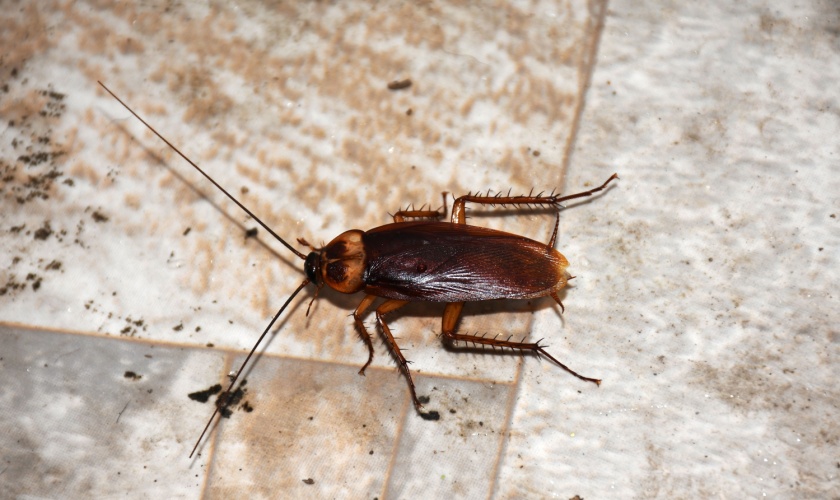
Cockroaches thrive anywhere food, moisture, and shelter are readily available, making homes, apartments, and rental properties around UK campus especially attractive. Older buildings, shared walls, plumbing penetrations, and small structural gaps allow cockroaches to spread between units while remaining hidden inside wall voids, kitchens, bathrooms, and utility areas. Their ability to stay concealed during the day often allows populations to grow unnoticed for extended periods.
Because cockroaches are primarily nocturnal, homeowners often don’t realize an infestation is developing until populations become more established. Droppings, egg cases, unpleasant odors, or nighttime sightings can all indicate that cockroaches are reproducing indoors. Early treatment is important because populations can expand quickly once suitable conditions are present. Responding early often makes it easier to prevent a localized problem from becoming more widespread throughout the property.
Stinging Insects
Wasps, hornets, and yellow jackets become increasingly active during the warmer months as colonies grow larger. Rooflines, eaves, decks, sheds, fences, trees, and shrubs commonly provide protected locations where these insects can construct nests close to homes throughout Lexington. Many nests begin small in the spring before gradually expanding as more workers are produced throughout the season.
Unlike many household pests, stinging insects create immediate safety concerns, particularly for children, pets, and anyone with allergies to insect stings. Colonies often become more defensive as they mature, increasing the likelihood of unwanted encounters around outdoor living spaces. Removing nests safely is often the best way to reduce the risk of repeated stinging insect activity. Taking action before colonies reach their largest size can also help reduce the chances of future nesting in the same areas.
Flies
Flies are a familiar sight around UK campus homes, especially during warmer weather when breeding conditions improve. Outdoor garbage containers, pet waste, compost, overripe fruit, and other organic materials provide ideal locations for flies to reproduce before making their way indoors through open doors, windows, or damaged screens. Even small breeding sources around the property can support ongoing fly activity if they are left undisturbed.
Although individual flies may seem like little more than a nuisance, frequent indoor activity can point to a nearby breeding source that should be addressed. Large numbers of flies often indicate favorable conditions somewhere on the property, making sanitation and source reduction important parts of long-term control. Reducing access to breeding areas is often just as important as preventing flies from entering the home itself.
Mosquitoes
Mosquitoes become especially active during Lexington’s warmer months, particularly after periods of rainfall. Even small amounts of standing water in gutters, flowerpots, birdbaths, buckets, tarps, or other outdoor containers can provide suitable breeding sites close to homes. Shaded landscaping and dense vegetation also give mosquitoes protected areas to rest during the day. Because they don’t need much water to reproduce, breeding sites can easily go unnoticed around the property.
Beyond their irritating bites, mosquitoes can make patios, yards, and other outdoor spaces far less enjoyable. Since new mosquitoes can continue emerging as long as breeding sites remain available, eliminating standing water and addressing favorable resting areas can significantly reduce activity around the property. Regularly checking outdoor areas for places where water collects can help limit future mosquito activity.
Stink Bugs
Stink bugs are most noticeable as temperatures begin cooling in the fall. Rather than remaining outdoors, they start searching for protected places to spend the winter, often squeezing through tiny openings around windows, doors, siding, vents, and rooflines before settling inside wall voids or attic spaces. Their flat bodies allow them to slip through surprisingly small gaps that often go unnoticed by homeowners.
Many homeowners first notice stink bugs gathering on sunny exterior walls before they move indoors. Once inside, they become an ongoing nuisance and release an unpleasant odor if crushed or disturbed. Sealing common entry points can help reduce the number that find their way into the home each year. Addressing those openings before cooler weather arrives can make seasonal invasions much less noticeable.
Beetles
Several types of beetles can be found around UK campus homes, depending on the season and surrounding environment. Ground beetles may wander indoors from nearby landscaping, while pantry beetles are attracted to stored food products, and carpet beetles feed on natural fibers, fabrics, and other household materials. Because different beetles have different habits, the source of the problem often depends on the type involved. Some appear only occasionally, while others continue returning if the conditions supporting them remain unchanged.
Homeowners may notice beetles crawling along floors, windowsills, or inside cabinets, but the visible insects are not always the full extent of the issue. Finding the areas where beetles are feeding, breeding, or entering the home is often necessary to prevent recurring activity and determine the most effective solution. Looking beyond the beetles you can see often provides a better understanding of why they continue appearing indoors.
Keeping UK Campus Homes Better Protected From Common Bugs
Not every bug found around UK campus homes requires the same solution. Ants, cockroaches, mosquitoes, spiders, and other common bugs each have different behaviors, hiding places, and reasons for appearing around a property. Determining which pest is present and what is supporting its activity provides a clearer path to reducing recurring pest problems.
X-iT Pest & Wildlife Solutions knows that recurring pest activity often reflects more than the bugs you happen to see indoors. Our inspections focus on uncovering the conditions that encourage specific pests to return, whether that means locating hidden entry points, identifying moisture issues, or evaluating the areas around your home that provide food and shelter. By building recommendations around those findings, we help homeowners address the source of the problem instead of simply treating the symptoms.
The right solution starts with identifying the pest and what’s attracting it. Contact X-iT Pest & Wildlife Solutions to schedule an inspection and receive recommendations based on your property’s specific needs.