
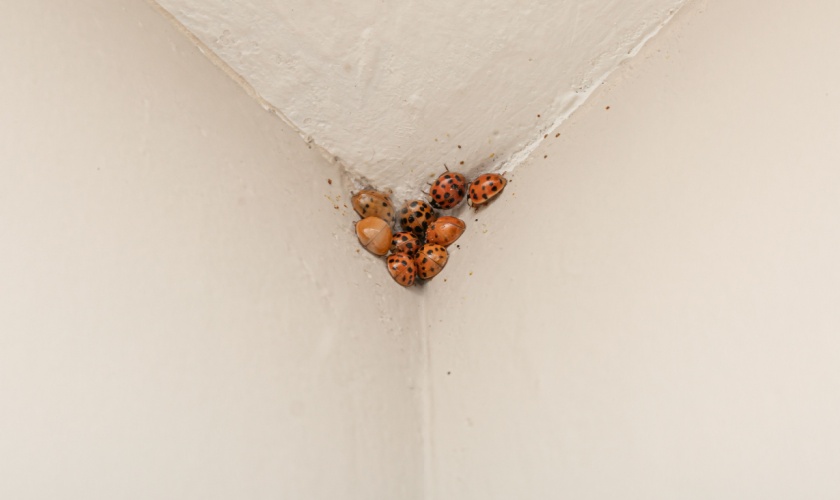
Fall brings cooler nights, shorter days, and large groups of insects gathering on Lexington homes. Two of the most noticeable seasonal invaders are lady beetles and boxelder bugs. They may cover siding, collect around windows, and eventually appear inside living spaces. Timely beetle control in Lexington can help homeowners manage heavy activity before these insects settle into protected areas for winter.
Both Insects Are Searching for Winter Shelter
Lady beetles and boxelder bugs spend the warmer months outdoors. Their behavior changes as temperatures begin to fall. They search for dry, protected locations where they can survive the winter. Natural shelter may include tree bark, rock crevices, and piles of debris. Homes provide many similar hiding places. Cracks in siding, attic vents, soffit gaps, window frames, and spaces beneath rooflines can all offer protection.
The insects often gather in large numbers before entering. This grouping behavior explains why one section of a home may become covered while another side has little activity. Once they find a suitable opening, they may move into wall voids, attics, and other enclosed spaces.
Lexington’s Sunny Fall Afternoons Encourage Clustering
Central Kentucky often experiences cool fall nights followed by warmer afternoons. Sunlight heats exterior walls and draws insects to the warm surfaces.
South-facing and west-facing walls tend to receive the most activity. Light-colored siding with dark shutters or trim can also attract lady beetles because strong visual contrasts help guide them toward potential shelter. The University of Kentucky identifies contrasting light and dark features around shutters, windows, gutters, and siding as attractive to Asian lady beetles.
Boxelder bugs also gather on warm surfaces. Homeowners may see them covering siding, tree trunks, porch posts, foundations, and window screens during sunny fall weather. The warmth helps keep the insects active while they search for protected openings nearby.
Lady Beetles Often Arrive in Large Numbers
Several lady beetle species live in Kentucky, but multicolored Asian lady beetles cause many fall home invasions. They can be yellow, orange, red, or nearly black. The number and appearance of their spots can vary. These beetles feed on aphids and other plant pests outdoors, which makes them beneficial in gardens and agricultural areas. Their value outdoors does little to reduce the frustration of finding them throughout a home.
Asian lady beetles often enter around windows, doors, rooflines, and siding. Once inside, they remain hidden until indoor heat or a warm winter day makes them active.
They may then crawl toward windows and light fixtures. When disturbed or crushed, they can release a yellowish fluid that has a strong odor and may stain light surfaces. Kentucky entomologists describe the Asian lady beetle as beneficial in the field and a nuisance when it gathers in homes during fall.
Boxelder Bugs Follow Their Food Sources
Boxelder bugs are dark insects with thin red or orange markings. They are frequently associated with boxelder trees, although they may also feed around other maples and related plants. Properties with mature boxelder trees can experience substantial activity. Seeds and plant material provide food during the growing season. As fall approaches, the adults leave feeding areas and gather around buildings.
Removing a mature tree solely because of boxelder bugs may be impractical and can affect the landscape. Homeowners can still reduce problems by managing debris, sealing the home, and treating areas where large groups gather. Boxelder bugs do not typically damage a home’s structure. Large indoor populations can create odors and leave fecal spots on curtains, walls, furniture, and other surfaces.
Small Exterior Gaps Give Them Easy Access
Lady beetles and boxelder bugs need very little space to enter. Common access points include:
- Gaps around window and door frames
- Loose siding and trim
- Openings around utility lines
- Damaged screens
- Attic and soffit vents
- Cracks near roof intersections
- Spaces beneath fascia boards
- Gaps around exterior light fixtures
Older Lexington homes may have settling cracks, aging caulk, and worn weatherstripping. Newer homes can also have construction gaps around utilities and rooflines.
A large indoor infestation may begin with one narrow opening that is difficult to see from the ground.
Warm Winter Days Bring Hidden Bugs Into Living Areas
Lady beetles and boxelder bugs usually remain inactive while temperatures stay cold. A sunny wall or a warm spell can raise the temperature inside a wall void and wake them. The insects may accidentally move toward the heated interior instead of returning outdoors. They follow light and frequently collect around windows, ceilings, and lamps.
This behavior explains why homeowners may find insects indoors in January or February. The invasion started during fall. Winter warmth simply made the hidden insects visible.
Indoor sightings can continue into spring as surviving insects attempt to leave the structure.
Indoor Spraying Provides Limited Relief
Spraying insects that appear around a window may kill the visible bugs. It rarely reaches the larger group hidden behind the wall. Dead insects inside wall voids can also attract carpet beetles and other scavenging pests. Broad indoor pesticide use may expose surfaces unnecessarily while failing to correct the entry point.
Vacuuming provides a practical way to remove small numbers. Empty the vacuum outdoors promptly so living insects do not crawl back out. Avoid crushing them against walls, curtains, or upholstery.
For recurring or heavy activity, professional identification is helpful. Lady beetles, boxelder bugs, stink bugs, and other fall invaders may require different treatment and prevention strategies.
Prevention Works Best Before the Insects Enter
The ideal time to address fall invaders is before large groups begin entering the home. Exterior treatments may be applied to targeted areas where insects gather and search for access. Sealing also plays an important role. Repair screens, replace damaged weatherstripping, and seal openings around windows, doors, pipes, cables, soffits, and siding.
Focus on the sides of the house that receive the greatest afternoon sun. Past activity can help predict where the insects will gather again. Lady beetles and boxelder bugs often return to the same favorable structures year after year. A proactive plan can reduce the number that reach indoor hiding places.
X-iT Pest & Wildlife Solutions understands the fall pest patterns that affect Lexington and Central Kentucky homes. When insects begin covering your siding or appearing around windows, contact X-iT Pest & Wildlife Solutions to schedule an inspection and address the problem before winter.