
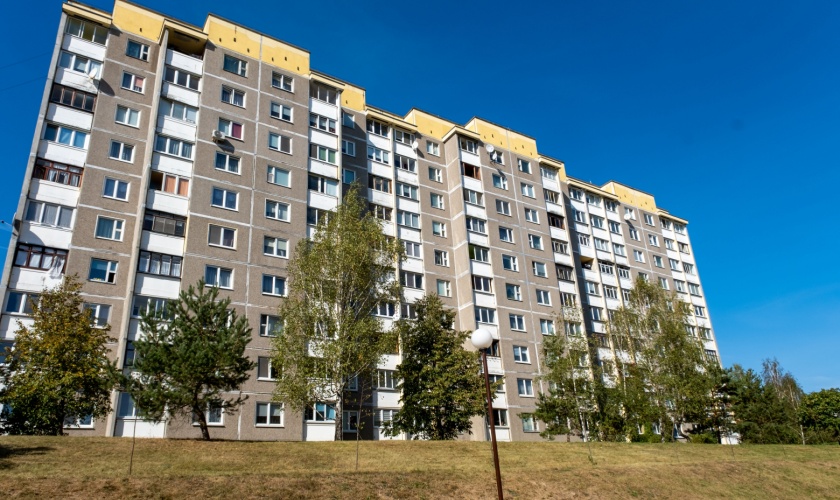
Rental properties present pest management challenges that owner-occupied homes do not. Tenant turnover, varying levels of housekeeping, shared walls and utility chases in multifamily buildings, and the difficulty of coordinating access for inspections and treatments all contribute to pest problems that are harder to prevent and harder to eliminate than those in a single-family home with a consistent occupant.
Rental Home and Apartment Pest Control Lexington, KY
In Lexington, the rental market is large and diverse. The University of Kentucky draws tens of thousands of students, and the surrounding neighborhoods—Woodland Park, Chevy Chase, the South Hill area, and the streets immediately surrounding campus—contain a high concentration of rental housing ranging from single-family conversions to large multifamily complexes. Landlords and property managers throughout Fayette County deal with pest problems on a recurring basis, and the ones who manage them most effectively treat pest control as an ongoing operational responsibility rather than a problem to address only when a tenant complains. X-iT Pest & Wildlife Solutions provides pest control services for rental properties throughout Lexington and the surrounding area.
Common Pest Issues in Rental Properties
Several pest species are disproportionately associated with rental housing, and each presents challenges that are specific to the rental context.
Cockroaches are the pest most consistently associated with multifamily and high-density rental housing. German cockroaches in particular thrive in the conditions common to apartment buildings and older rental conversions—shared wall voids that allow movement between units, kitchen and bathroom environments with food residue and moisture, and the difficulty of achieving simultaneous treatment across an entire building. A German cockroach infestation in one unit of a multifamily building will spread to adjacent units through shared plumbing chases, electrical conduit pathways, and gaps in shared walls if only the affected unit is treated. Building-wide treatment coordination is essential for effective German cockroach control in multifamily settings.
Bed bugs are a significant concern in rental housing, particularly in properties with frequent tenant turnover. Bed bugs are introduced into a property through infested furniture, luggage, clothing, and secondhand items—all things that move in and out of rental units regularly. They are not an indicator of poor housekeeping; they are hitchhikers that travel with people and their belongings. Once established in a unit, bed bugs spread to adjacent units through wall voids and shared spaces. Early detection is critical—a small, recently established bed bug population is far easier and less costly to eliminate than a well-established infestation that has spread across multiple units.
Rodents enter rental properties through the same structural vulnerabilities that affect any residential building, but the problem is compounded in rental settings because tenants may not report early signs of activity promptly, and access for inspection and sealing work requires coordination that owner-occupied homes do not. Older rental properties near downtown Lexington and in the neighborhoods surrounding the University of Kentucky campus are particularly prone to rodent issues given the age of the housing stock and the proximity to commercial areas and food service establishments.
Ants are a persistent complaint in ground-floor rental units and in properties where landscaping maintenance has been inconsistent. Odorous house ants and pavement ants are the species most commonly reported by tenants, and their presence in a unit is often directly tied to conditions on the exterior of the building—mulch against the foundation, landscaping in contact with the structure, or gaps at the base of exterior walls—that the tenant has no ability to address independently.
Turnover-Related Infestations
Tenant turnover is one of the most significant pest risk factors in rental housing. The period between one tenant vacating and the next moving in is when pest problems that were present but unreported become visible—and when conditions left by a departing tenant create new pest activity.
Cockroaches and bed bugs are the species most commonly discovered during turnover inspections. A tenant who lived with a low-level cockroach problem without reporting it may vacate a unit that has an established population inside wall voids and appliance spaces that is not immediately visible. Bed bugs present a similar pattern—a tenant aware of a bed bug problem may vacate without disclosing it, leaving an infestation for the next occupant.
Turnover is also when food residue, moisture sources, and clutter left by departing tenants create conditions that attract pests. Appliances not cleaned before move-out, plumbing leaks that developed during the tenancy and were not reported, and debris left in storage areas all contribute to pest activity that can establish itself during the vacancy period and greet the incoming tenant.
A professional inspection at each turnover is the most reliable way to identify and address pest issues before a new tenant moves in. Treating problems during vacancy is significantly more straightforward than treating an occupied unit, and it protects landlords from pest-related complaints and disputes with incoming tenants.
Prevention Between Tenants
The vacancy period between tenants is the most practical window for pest prevention work on a rental property. Several steps during this period consistently reduce the likelihood of pest problems during the next tenancy:
- Inspect all appliances, cabinet interiors, and under-sink areas for cockroach activity and food debris
- Check mattress seams, bed frames, and upholstered furniture for bed bug evidence before accepting any secondhand furniture into a unit
- Inspect the perimeter of the unit for gaps around plumbing penetrations, at the base of walls, and around utility entries
- Address any plumbing drips or moisture issues identified during the inspection
- Clean gutters and inspect exterior landscaping for conditions that contribute to ant and insect entry
- Place monitoring traps in kitchen and bathroom areas during vacancy to detect any pest activity before the next tenant moves in
These steps do not require significant time or expense, and they provide documentation that pest conditions were assessed and addressed at turnover—which is valuable in the event of a future tenant dispute.
Property Manager Best Practices
Property managers overseeing multiple Lexington rental units benefit from a structured approach to pest management that goes beyond responding to individual tenant complaints.
Establishing a relationship with a licensed pest control provider for regular inspections and treatments across a portfolio of properties is more cost-effective than calling for one-time treatments each time a problem is reported. Recurring service agreements allow for consistent monitoring, early detection of developing problems, and treatment protocols that are calibrated to the specific pest history of each property.
Clear lease language regarding pest reporting responsibilities helps ensure that tenants report early signs of activity rather than allowing problems to develop. Tenants who understand that prompt reporting leads to prompt treatment—and that delay makes problems worse and more disruptive—are more likely to communicate issues early.
Documentation of pest inspections and treatments at each turnover provides a record that is useful for resolving disputes, demonstrating due diligence in habitability matters, and tracking the pest history of individual units over time.
The University of Kentucky student housing market specifically presents high turnover at predictable times—the end of spring semester and the beginning of fall semester—which makes scheduling inspections and treatments around those transition periods particularly practical for properties in that market.
X-iT Pest & Wildlife Solutions works with landlords and property managers throughout Lexington, including properties near the University of Kentucky campus and multifamily buildings across Fayette County. Schedule an inspection to establish a pest management program for your rental portfolio.