
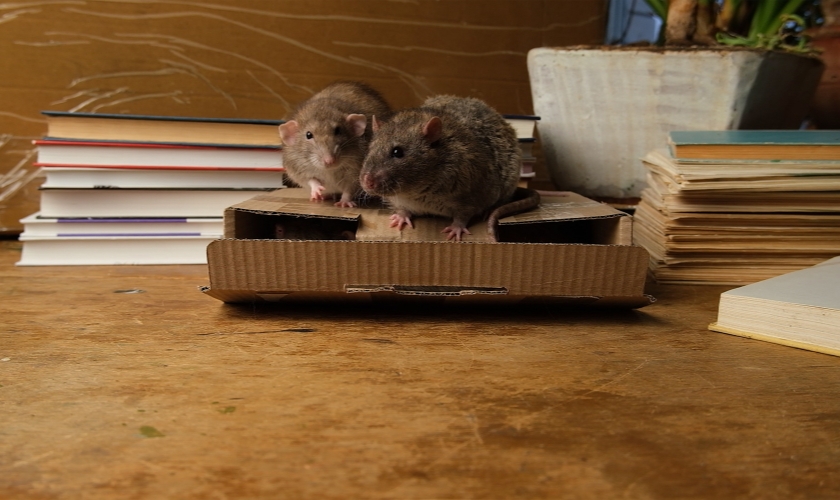
An older Lexington house can be a wonderful place to live. It also gives mice and rats more ways in than a newer build usually does. Age alone does not create an infestation, but aging foundations, unfinished crawl spaces, gaps around pipes and wires, and original construction details add up. If you are starting to hear scratching at night or finding droppings along a basement wall, residential pest control in Lexington is often the most direct way to find those openings and stop the problem before it spreads through wall voids and stored goods.
House mice and Norway rats are the rodents most likely to use those openings. A mouse can pass through a gap about the width of a pencil. A rat needs only a little more room than that. In a house that has settled for decades, openings of that size are common, and many of them sit where you rarely look.
How Lexington Housing Stock Ages Into Rodent Access
Lexington has a wide mix of housing styles. Mid-century ranches, brick bungalows, and older homes near the city core often sit on foundations that have already gone through decades of Kentucky freeze-thaw cycles. Concrete and mortar expand and contract. Settlement opens thin cracks at corners and along the sill. Those changes are slow enough that they can go unnoticed until rodents start to slip in.
Karst soils and variable lot grades around Fayette County add another wrinkle. Some older homes were built on sloped lots with a short foundation wall on one side and a deeper crawl or basement on the other. That extra exposed wall means more masonry joints, more vents, and more places where siding or brick meets the ground. Each of those transitions can leave a small unsealed line if the original builder relied on mortar, wood trim, or a simple metal flashing that has since rusted or pulled away.
Additions complicate the picture. A family room, enclosed porch, or attached garage added years after the original house often meets the older foundation at an uneven joint. The original exterior wall becomes an interior wall. Utility lines get rerouted. If that joint was never sealed with rodent-resistant material, mice can travel from the yard into the addition and then into the original house without ever crossing a living room floor where you would notice them.
Aging Foundations Give Rodents a Ground-Level Door
Foundation problems in older Lexington homes tend to be small and scattered rather than one dramatic hole. Hairline cracks at the base of a block wall, crumbled mortar in a stone or brick stem wall, and a gap where the sill plate has pulled away from the masonry all qualify. Mice travel along the exterior wall at night, test those openings with their whiskers, and slip through if the gap is large enough.
The band where the foundation meets the siding or brick veneer is especially useful to rodents. In many mid-century houses, that joint was covered with a thin metal flashing or a wood skirt board. Over time the metal rusts, the wood cups, and the joint opens. Leaf litter and soil piled against that line hide the gap and give mice cover while they work at it.
What to look for at the foundation
Walk the perimeter in daylight with a flashlight held low. Look for dirty rub marks along the foundation, small dark droppings in protected corners, and gnawed wood or plastic at grade. Pay extra attention to corners, steps, and spots where a downspout or hose bib meets the wall. Those are the places where water and movement already stress the masonry.
Do not assume a crack is too narrow to matter. If you can slide a pencil into it, a mouse can probably use it. If you can fit a thumb, a young rat may be able to as well. Sealing work should use material rodents cannot chew through easily, and it should stay in place through wet weather. Expanding foam alone is not a lasting barrier against rats.
Crawl Spaces: Hidden Travel Routes Under the House
Many older Lexington homes were built over a crawl space rather than a full basement. That space was never meant to be a finished room. Vents were left open for airflow. The floor is often bare soil or a deteriorated vapor barrier. Floor joists sit close enough to the ground that moisture stays high after spring rains.
For rodents, a crawl space is useful in two ways. First, it is a sheltered place to nest, especially in insulation, leftover construction debris, or the cavity around a furnace platform. Second, it is a hallway. Once a mouse is under the house, gaps around plumbing stacks, HVAC supply boots, and electrical conduits give it a path into kitchens, baths, and interior walls.
Screens on crawl space vents fail in predictable ways. Metal mesh rusts. Plastic vents crack. A screen that was stapled in place decades ago can pull free on one edge and leave a hole large enough for a rat. After a storm, debris can hold a vent door open. Homeowners who rarely crawl under the house may not notice until droppings show up on a rim joist or insulation starts to look shredded.
Moisture makes the same space more attractive. Damp soil supports insects that rodents eat. It also keeps the air a little more humid and stable than a dry, open yard. If gutters dump water against the foundation or the grade slopes toward the house, the crawl space stays wet longer after each rain. That does not create rodents by itself, but it makes the space more comfortable once they find a way in.
If you do go under the house, look for runways along the foundation wall, greasy smears on pipes, and insulation that has been pulled into loose nests. Fresh droppings look dark and soft. Older droppings dry out and turn gray. Concentrated droppings in one corner usually mean a nest is nearby. Do not seal every opening from the outside until you know whether animals are still inside. Trapping a rodent in a closed cavity can create odor and sanitation problems that are harder to clean than the original gap.
Gaps Around Utility Penetrations
Every pipe, cable, and flue that enters an older house had to be cut through the foundation, rim joist, or exterior wall. Builders often filled those cuts with mortar, wood blocking, or whatever was handy at the time. Those fillers shrink, crack, and fall out. The hole around the pipe remains.
Common problem spots include the main water line, sewer cleanouts, gas service, electric meter conduit, cable and phone drops, HVAC refrigerant lines, dryer vents, and outdoor faucets. In houses that later received central air, the line set from the outdoor unit is a frequent weak point because it was added after the original construction and may have been sealed with foam that birds and rodents can tear.
Utility gaps matter more than they look because they often connect the outside directly to a warm, dark cavity. A mouse that enters beside the water line in a crawl space can follow that same line up into a kitchen cabinet. A rat that uses the gap at a dryer vent can reach the laundry room without crossing an open floor. Those routes also stay hidden during a casual walk-through of the living areas.
A practical check is to stand outside at each utility entry and look for daylight around the pipe, loose foam, chewed plastic, or dirt packed against the opening. Inside, look under sinks and behind the washer for the matching penetration. If you can see outdoor light or feel a draft around the pipe, rodents can use that same path.
Older Construction Details That Still Matter
Original building practices were not designed around modern rodent pressure. Many older Lexington houses have unscreened foundation vents, wood basement window frames that have rotted at the sill, bulkhead doors with warped weatherstripping, and attic or soffit vents covered only with light screening. Chimneys without caps and garage door bottoms that no longer meet the slab are in the same category.
Interior construction can help rodents once they are in. Unsealed holes under kitchen cabinets, open plumbing chases between floors, and gaps around heating ducts let mice move from the crawl space to the attic without ever entering a room you use every day. That is why droppings can appear in a pantry even when you have not seen a rodent on the main floor.
Storage habits in older homes can make the same problem last longer. Cardboard boxes in a basement, pet food in an open bin, bird seed in a garage, and stacked firewood against the foundation all give rodents food or cover next to the house. Cleaning those items up will not close a foundation gap, but it makes the house less worth the trip after the gaps are sealed.
Signs That Rodents Are Already Using the House
Scratching or scurrying in walls and ceilings after dark is a common first clue. So are droppings along baseboards, in cabinets, or on basement ledges. You may notice chewed food packaging, gnaw marks on wood or plastic, or a musky odor in a closed room. In a crawl space or attic, look for shredded insulation and greasy rub marks along beams.
One or two droppings in a garage do not automatically mean a large indoor infestation. Outdoor rodents travel along foundations too. The picture changes when you find fresh droppings in multiple interior rooms, hear movement inside finished walls, or see gnawing on stored food. At that point the house is serving as shelter, not just a path along the yard.
What You Can Reasonably Do Yourself
A careful perimeter walk, clearing vegetation and stored items away from the foundation, and repairing obvious damaged screens are useful first steps. Store pet food and bird seed in sealed containers. Fix gutter leaks that keep the soil wet against the house. Replace missing door sweeps on garage and basement doors.
Leave structural sealing around active utility lines, chimney work, and any opening that might still hold animals to a professional inspection when the situation is unclear. The goal is to close routes without blocking required ventilation or trapping rodents in a wall. Snap traps placed along walls can help in a small, visible problem, but they do not replace finding the openings that keep new rodents coming in.
When a Professional Inspection Makes Sense
Call for help when droppings keep returning after you clean, when you hear movement in walls or the attic, when you cannot safely reach the crawl space, or when you find openings around gas, electric, or plumbing lines that you are not comfortable sealing. An inspection should identify likely entry points, signs of nesting, and whether mice, rats, or both are involved. Treatment and exclusion then follow what is actually happening in that house, not a generic spray around the yard.
X-iT Pest & Wildlife Solutions serves Lexington and surrounding Central Kentucky counties with inspection, rodent control, and exclusion work as part of residential pest control and related wildlife services. If an older home is giving mice or rats an easy path inside, contact us to schedule an inspection of the foundation, crawl space, and utility entries before the problem moves deeper into the house.