
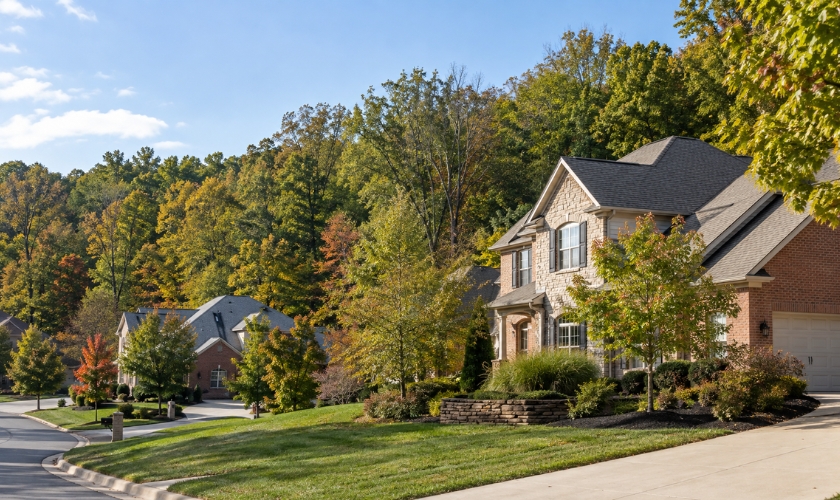
A wooded lot on the edge of Lexington can feel private and settled. It can also sit closer to food, cover, and travel routes that raccoons, squirrels, opossums, skunks, and other wildlife already use. Living next to trees does not automatically mean that you will have a wildlife problem, but it does change the odds when a house, shed, or deck gives those animals an easy shelter or entry. Wildlife control in Lexington starts with understanding the mix of habitat, food, and building access that is available to wildlife.
Central Kentucky still has pockets of woods along creeks, fence rows, park edges, and the backs of larger lots even where the street in front looks fully developed. Animals often move through those corridors at night. A house that backs up to that cover is simply closer to the path they were already using.
Habitat at the Edge of Woods and Yards
Wildlife looks for three things in a small area: somewhere to hide during the day, a short trip to food, and a place that stays dry. Woods supply the first of those. Leaf litter, fallen logs, honeysuckle thickets, and the space under a brush pile all count as cover. When a lawn, compost pile, or crawl space sits a few yards from that cover, the second and third needs get easier to meet without a long crossing of open ground.
A thin line of trees behind the house can cause more trouble than a larger woods farther away, because the animals already have cover and the building is only a short trip from it. A deep forest far from houses may hold plenty of animals that never bother a building. A thin belt of trees behind a row of homes can produce more conflicts because the animals already live in a narrow strip and the buildings are part of the same strip. Creek banks and drainage easements work the same way.
Tree cover, fencing, trash handling, and the condition of the house all impact the outcome when it comes to rodent infestations. Two houses on the same block can have very different results if one has a tight foundation and sealed vents and the other has a damaged soffit over a deck.
Food That Makes a House Worth the Trip
Animals do not need a forest buffet if a yard already offers calories. Bird feeders spill seed onto the ground. Pet food left on a porch overnight is a reliable meal. Fallen fruit, unsecured trash, grease on a grill, and compost that includes meat or sweet scraps all register as food. In a wooded setting those items sit closer to animals that already forage along the tree line.
Gardens and ornamental plantings can add to that list. Hostas, berries, and vegetable beds attract rabbits and sometimes groundhogs. Fruit trees that drop apples or pears pull in squirrels and raccoons.
Water is part of the food picture too. A birdbath, a low spot that holds rain, or a pet bowl can keep an animal lingering after it has already found seed or trash. You do not have to drain every useful landscape feature. You do need to notice which ones sit under the same tree line as a damaged vent or an open crawl space door.
Common attractants along a wooded lot
- Seed on the ground under feeders
- Trash cans without tight lids, especially if they sit near the tree line
- Pet food left outside after dark
- Fallen fruit and unharvested garden produce
- Open compost that includes kitchen scraps
- Brush piles, stacked firewood, and stored junk against the house or shed
How Buildings Give Wildlife a Way In
Habitat and food explain why an animal is nearby. Building access explains why it ends up in an attic, chimney, or crawl space. Squirrels use trees that touch the roof. Raccoons test soffits, chimney caps, and loose fascia. Opossums and skunks work at ground level around decks, sheds, and crawl space doors. Once one animal has pulled a board loose, the next one has less work to do.
Houses near trees pick up extra wear at the roofline. Limbs rub shingles. Gutters fill with leaves and stay wet against wood trim. A damp fascia board is easier to peel than a sound one. That is a construction and maintenance issue as much as a wildlife issue, and it is one reason wooded lots need a closer look at eaves even when the rest of the house looks fine.
Decks and outbuildings deserve the same attention. The cavity under a low deck is dark, quiet, and close to the yard. A garden shed with a rotten sill or a missing vent screen can become a den. If that shed sits at the back of the lot where the grass meets the trees, an animal can enter without crossing the parts of the yard you use every day.
Do not seal a hole if you cannot tell whether animals are still inside. Young wildlife may be present in spring and early summer. Closing the only exit can trap them in a wall or attic and create a worse problem. Inspection comes before exclusion when there is any chance of an active den.
Seasonal Behavior Without Overstating It
Wildlife activity around Lexington shifts with the seasons. In late fall and winter, some animals look for sheltered dens as nights get colder and natural food thins out. Attics, chimneys, and insulated crawl spaces hold heat better than a hollow tree. That is when scratching in a ceiling or a sudden smell in a closed room is more likely to mean something has moved indoors.
Spring brings breeding and the search for den sites that can hold young. A raccoon that only visited a trash can in January may try to stay in a chimney or attic once kits are involved. Squirrels nest in attics and soffits. Snakes become more visible as temperatures rise, especially near woodpiles and rock edges, though a snake in the yard is not the same problem as a mammal in the house.
Summer and early fall keep food high. Fruit, insects, and unsecured trash are easy to find, so some animals spend more time outside. That does not mean the house is safe. Young animals born in spring start traveling on their own. A damaged vent that sat quiet in June can become an entry point in August when those juveniles explore.
None of this means every wooded lot will have an attic raccoon each November. It means the same opening is more likely to be tested when cover is close and the season makes indoor shelter useful.
Signs Worth Checking on a Wooded Property
Look for tracks or droppings along fence lines and under decks, not only on the front walk. Check the roofline from the ground for stained soffits, chewed wood, or a cap that is no longer seated on the chimney. In the attic, flattened insulation, scattered debris, and a strong odor are more useful clues than a single unexplained sound.
At night, movement on the roof or at the tree line near the house is worth noting if it repeats. One passing animal is normal next to the woods. Repeated visits to the same corner of the house suggest the building itself has become part of the route.
Practical Steps That Reduce Pressure
Trim limbs so they do not touch the roof or rest on the gutter. Store firewood away from the foundation. Bring pet food in after dusk. Use cans with lids that latch. Clean up spilled seed. Repair damaged screens, soffit boards, and crawl space doors with material wildlife cannot pull apart. Keep the strip of ground next to the house clear enough that you can see the foundation.
Those steps lower the value of the house as a den. They do not change the fact that woods will still hold animals. The goal is to make the building a poor second choice, not to empty the tree line.
When to Bring In Wildlife Control
Professional help makes sense when animals are already inside, when you hear movement in a ceiling or wall, when droppings or damage keep returning, or when an opening is high, tight, or tied to a chimney or utility chase—you should not patch blindly. X-iT Pest & Wildlife Solutions handles wildlife inspection, humane removal, and exclusion for residential, commercial, and farm properties across Central Kentucky. The company does not handle domestic cats and dogs.
If your house sits along trees, a creek, or a wooded lot line and you are seeing repeated wildlife visits or damage, contact us to schedule a wildlife inspection.