
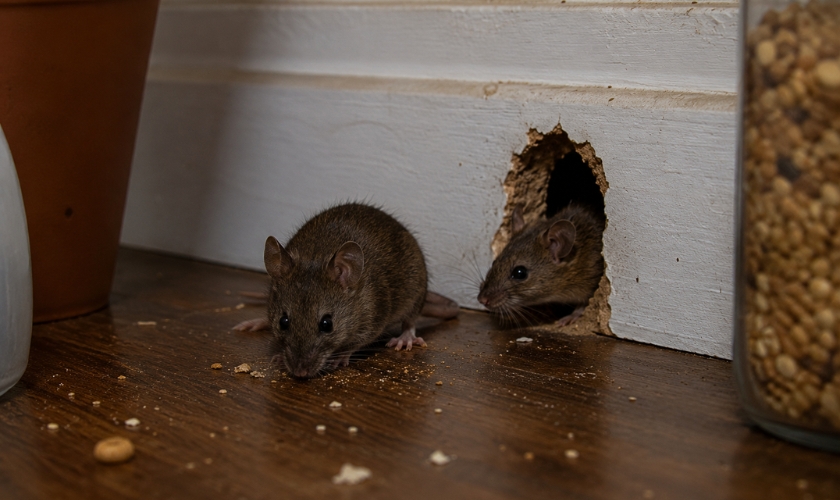
Mice can enter Lexington homes during any month of the year, but the pressure increases as summer ends and temperatures begin to fall. Homes provide steady access to food, water, warmth, and protected nesting areas. Understanding the seasonal pattern can help homeowners know when to inspect vulnerable areas and when to seek professional rodent control in Lexington before a small problem grows.
January: Indoor Activity Becomes Easier to Notice
By January, mice that entered during the fall have often settled into wall voids, attics, garages, basements, or kitchens. Cold outdoor temperatures encourage them to remain close to dependable food and heat.
Homeowners may hear scratching after dark or find droppings in cabinets and drawers. Other signs include damaged food packages, shredded insulation, and gnaw marks around stored belongings. Removing one visible mouse may only address part of the problem. Mice usually stay hidden during the day and travel along walls, behind appliances, and through enclosed spaces.
February: Mice Continue Nesting Indoors
February remains an active month for mice living inside Lexington homes. They may build nests from paper, fabric, insulation, cardboard, or other soft materials. The quiet spaces behind appliances, beneath cabinets, and inside storage areas provide favorable nesting conditions. Attached garages can also support mouse activity, especially when they contain birdseed, grass seed, pet food, or clutter.
Homeowners should pay attention to new droppings and scratching sounds. Fresh evidence can indicate that mice are still moving through the home.
March: Warmer Days Do Not End Indoor Problems
Early spring brings warmer afternoons, but mice already living indoors rarely leave simply because the weather improves. A home still offers reliable food and protection from predators.
Mice may also become more active as they search for nesting materials and additional food. Cleaning cabinets, moving boxes, or opening a seasonal storage area can reveal evidence that remained hidden throughout winter.
March is a good time to inspect the home’s exterior. Winter weather may have damaged screens, weatherstripping, vents, or sealants.
April: Outdoor Food Becomes More Available
As vegetation returns, mice have access to more seeds, insects, and plant material outdoors. Some activity may shift toward gardens, sheds, barns, and landscaped areas.
Indoor infestations can continue at the same time. Mice that have established nests in a home have little reason to abandon them. Food crumbs, pantry products, pet bowls, and water leaks support year-round activity.
Spring cleaning can help uncover nesting material and droppings in overlooked areas. Wear protective gloves and avoid sweeping dry rodent waste into the air.
May: Garages and Outbuildings Become Common Hiding Places
During May, mice often find shelter in garages, workshops, storage sheds, and barns. These structures provide shade and protection while keeping mice close to food and nesting materials.
Open garage doors make access easy. Gaps beneath doors also create direct routes inside. Once mice enter a garage, they may move through shared walls or openings around utility lines to reach the main living area.
Store seed, animal feed, and pet food in durable containers with secure lids. Cardboard boxes and thin plastic bags provide little protection.
June: Yard Conditions Influence Mouse Activity
Tall grass, thick ground cover, woodpiles, and overgrown shrubs can provide hiding places near the foundation. Mice prefer routes that offer protection from predators, so dense vegetation can help them approach a home unseen.
June is a useful month for exterior maintenance. Trim plants away from siding, remove unnecessary debris, and check the foundation for openings.
Pay close attention to areas where plumbing, electrical wiring, cable lines, and air-conditioning equipment enter the building.
July: Heat and Dry Conditions Can Push Mice Toward Homes
Hot or dry weather can reduce natural water and food sources. Mice may move closer to irrigated lawns, pet bowls, dripping faucets, and air-conditioning condensation lines.
Cool crawl spaces and basements can also become attractive during periods of intense heat. Homeowners may find evidence near water heaters, utility rooms, sinks, or stored food.
Outdoor cooking and summer gatherings can leave crumbs and trash around patios or decks. Cleaning these areas promptly reduces easy food sources.
August: Mice Begin Taking Advantage of Late-Summer Food
By August, gardens, fruit trees, bird feeders, compost areas, and outdoor pet-feeding stations can provide abundant food. Mice may establish nests close to these dependable sources.
This is an important month for prevention. Cooler nights will soon increase pressure around the home, so exterior openings should be repaired before mice begin actively seeking warmer shelter.
Inspect door sweeps, garage seals, crawl-space vents, soffits, and siding. Small openings deserve attention because mice can enter through surprisingly tight spaces.
September: The Fall Entry Season Begins
September often marks the beginning of increased mouse activity around Lexington homes. Nighttime temperatures start to drop, vegetation changes, and natural food supplies become less predictable.
Mice may begin exploring foundations, garages, crawl spaces, and exterior walls for potential entry points. They frequently follow utility lines or slip beneath poorly sealed doors.
Watch for droppings along garage walls, disturbed insulation, or gnawing around stored food. Early action can prevent mice from establishing protected indoor nesting sites.
October: Indoor Mouse Pressure Increases
October is one of the most important months for mouse prevention in Central Kentucky. Cool nights and changing outdoor conditions encourage rodents to seek stable shelter.
Homes near fields, wooded areas, creeks, vacant lots, and heavy vegetation may experience greater pressure. Construction and landscaping work can also disturb outdoor nesting areas and send mice toward nearby buildings.
Seal openings before trapping whenever possible. Otherwise, new mice may continue entering after the first animals are removed. The University of Kentucky notes that homeowners are especially likely to notice mice during winter following their fall movement indoors.
November: Cold Weather Keeps Mice Moving Indoors
November brings colder nights and regular frosts. Mice that have not already found winter shelter continue searching for access to heated buildings.
Common entry areas include gaps beneath garage doors, openings around pipes, damaged foundation vents, loose siding, and spaces beneath exterior doors. Once inside, mice often travel through wall voids and follow plumbing or wiring between rooms.
Holiday food storage can also create new opportunities. Baking supplies, candy, nuts, and pet treats should remain in sealed containers.
December: Established Infestations Become More Apparent
December often reveals problems that began several weeks earlier. Homeowners may hear movement at night when the house is quiet or notice droppings while retrieving holiday decorations.
Mice may nest inside boxes, insulation, stored clothing, or rarely used cabinets. They can also damage wiring, contaminate food, and leave waste on surfaces.
A thorough response should address the mice already inside and the openings that allowed them to enter. Traps alone may provide temporary relief when entry routes remain accessible.
Preparing Your Lexington Home for Mouse Season
The best time to prevent a winter mouse problem is before the first cold stretch arrives. Keep food sealed, reduce clutter, trim vegetation, and inspect the exterior from the foundation to the roofline. Pay special attention to attached garages and utility penetrations.
Recurring mouse activity usually points to an unresolved entry point, nesting area, or food source. X-iT Pest & Wildlife Solutions can inspect the property, identify signs of activity, remove rodents, and recommend exclusion work. To protect your home before or during Lexington’s busiest mouse season, contact X-iT Pest & Wildlife Solutions and schedule an inspection.