
Many pests begin moving toward Lexington homes during late summer and early fall. They explore foundations, garages, attics, crawl spaces, and exterior walls long before homeowners notice activity indoors. Recognizing the early warning signs gives you time to arrange residential pest control in Lexington and close entry points before pests become established.
1. You See Insects Gathering on Sunny Exterior Walls
Large groups of insects on the outside of your home provide one of the clearest signs that the overwintering season has begun. Lady beetles, boxelder bugs, and stink bugs often gather on warm, sunlit surfaces during fall.
South-facing and west-facing walls receive more afternoon sunlight, making them especially attractive. Insects may collect around windows, shutters, gutters, siding, rooflines, and doorframes. From there, they search for gaps leading into wall voids, attics, or interior rooms.
Homeowners may dismiss these clusters because the bugs are still outdoors. Their location shows that they have already selected the structure as a possible winter shelter.
Inspect the surrounding siding and trim. Cracks around windows, loose screens, damaged caulk, and openings beneath siding can allow dozens or hundreds of insects to enter.
2. Rodent Evidence Appears in the Garage or Basement
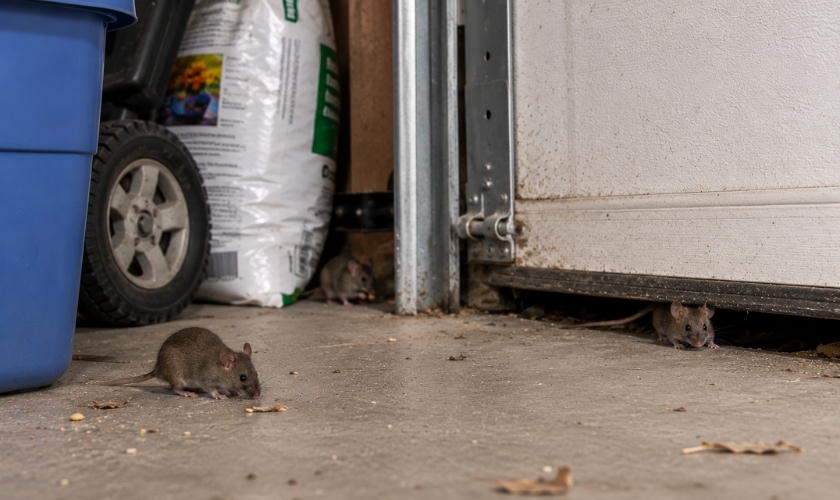
Mice frequently enter garages, basements, and crawl spaces before reaching kitchens or living rooms. These areas provide shelter and receive less daily activity, allowing rodents to move without being disturbed.
Look for small droppings along walls, behind stored belongings, near the water heater, or beside bags of seed and pet food. Shredded paper, fabric, or insulation may indicate nesting. Gnawed cardboard and damaged food packages provide additional warning signs.
You may also notice a stale odor or dark rub marks along frequently traveled routes. Mice tend to move close to walls and repeat the same paths.
Evidence in the garage deserves immediate attention. Attached garages often share utility openings, wall cavities, and access points with the rest of the house. A mouse that enters the garage may soon reach a pantry, attic, or kitchen.
3. Pests Appear Near Doors, Windows, and Utility Lines
A sudden increase in pest activity around exterior openings can show that insects or rodents are testing the home for access.
Watch areas around:
- Exterior doors and garage doors
- Window frames and basement windows
- Dryer and bathroom vents
- Cable and electrical lines
- Outdoor faucets
- Air-conditioning lines
- Crawl-space vents
- Roof and soffit intersections
Spider webs around these locations can also provide a clue. Spiders build webs where insects are active, so a growing number of webs near a window, vent, or exterior light may point to a steady supply of prey.
Check weatherstripping and door sweeps for wear. Look for daylight beneath exterior doors. Seal cracks with materials suited to the opening and repair damaged screens before colder weather increases pest pressure.
4. You Hear Scratching or Movement After Dark
Mice, rats, and some wildlife become easier to hear when they begin using attics, walls, ceilings, or crawl spaces. Scratching, chewing, tapping, and scurrying sounds often become noticeable at night when the home is quiet.
The location and timing can provide useful clues. Movement near the floor or behind kitchen cabinets may indicate mice. Heavier sounds in an attic could involve rats, squirrels, or another animal. Noises inside walls may travel, making the source difficult to locate without an inspection.
Do not wait for the sounds to become louder or more frequent. Rodents can damage insulation, stored belongings, drywall, and electrical wiring. They also leave droppings and urine along their travel routes.
A pest may have been inside for days or weeks before making enough noise to attract attention. An inspection can identify the animal, locate access points, and determine whether nesting has begun.
5. Indoor Pest Sightings Increase on Warm Fall Days
Fall weather in Lexington can change quickly. A cold night may be followed by a warm, sunny afternoon. These temperature swings can cause overwintering insects hidden inside walls and attics to become active.
Homeowners may suddenly find lady beetles, stink bugs, boxelder bugs, flies, or wasps near windows. The insects move toward light and warmth, which often brings them into visible living areas.
These sightings may seem random, but repeated appearances usually indicate that pests have already entered the structure. Vacuuming visible insects removes the immediate nuisance. It does not close the gaps they used or reach the insects that remain hidden.
Crushing lady beetles, boxelder bugs, and stink bugs can release odors or leave stains. A vacuum provides a cleaner method for removing small numbers indoors. The University of Kentucky recommends sweeping or vacuuming boxelder bugs found inside during fall or winter.
Why Fall Pest Activity Deserves Attention
Many overwintering pests remain hidden for long periods. They may settle behind siding, beneath insulation, inside wall voids, or around window frames. Warm indoor conditions can keep some species active throughout winter.
Rodents may continue feeding and nesting. Cockroaches can remain active near kitchens and plumbing. Spiders follow other insects indoors. Occasional invaders may reappear whenever sunlight warms the exterior walls.
Waiting until winter can make control more difficult. Once pests enter concealed areas, sealing the exterior requires careful timing. Closing a gap while animals remain inside can create additional problems.
How to Prepare Your Home Before Winter
Begin with a slow walk around the exterior. Look from the foundation to the roofline rather than focusing only on doors and windows.
Remove leaves and debris near the foundation. Trim shrubs away from siding. Store firewood off the ground and away from the house. Clean gutters and repair moisture problems. Move birdseed, pet food, and grass seed into pest-resistant containers.
Inside, reduce clutter in garages, basements, and storage rooms. Check beneath sinks and behind appliances for droppings, moisture, or damaged materials.
Early fall prevention can stop pests before they become winter residents. When you notice insect clusters, rodent evidence, unusual sounds, or repeated indoor sightings, contact X-iT Pest & Wildlife Solutions for a thorough inspection and a treatment plan designed for your Lexington home.